Whitetails Challenge Quail as Key Value Driver
Whitetails Challenge Quail as Key Value Driver
sdsdds
By Cary Estes
Photography By Dusan Smetana
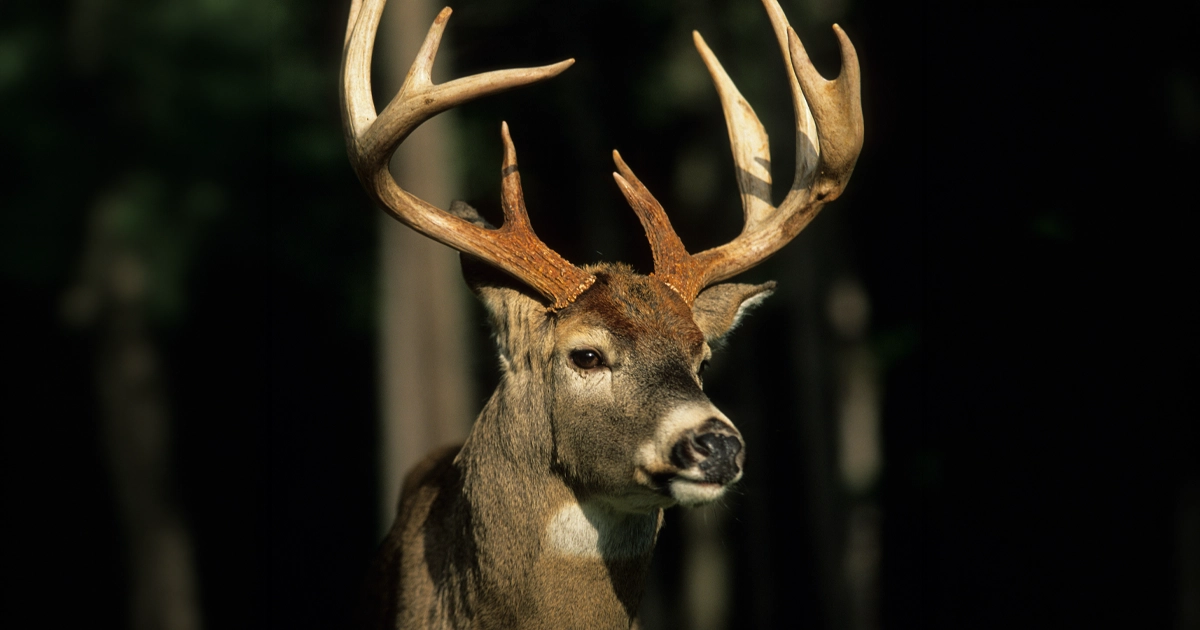
LR_Whitetail-01
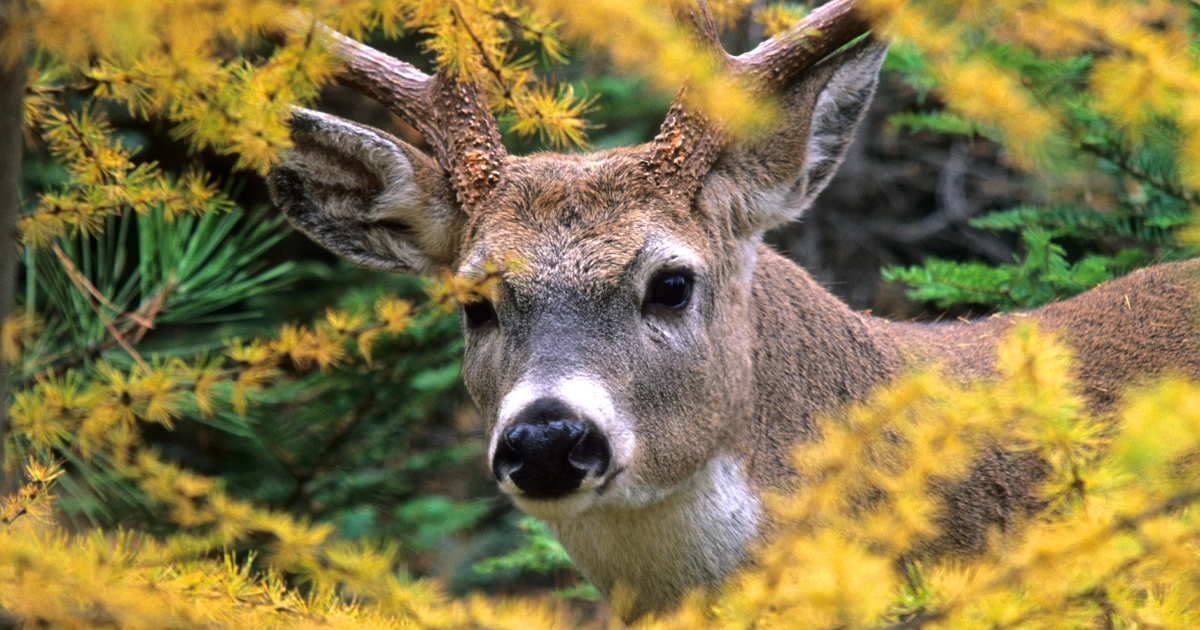
ALPHA. The palmated left-tine antlers are one of the many standout qualities of this mature buck.
Published September 14, 2026

South Georgia is an area where whitetails and bobwhites thrive. The region has long been known for its quail-hunting plantation lands, and like much of the Deep South, white-tailed deer are abundant.
As a multigenerational tree farmer who owns several thousand acres of forestland near Vidalia, Georgia, Reese Thompson II is well familiar with the various components involved in the recreational hunting of both animals. And while there are some similarities, Thompson says there also is a distinct difference between the two.
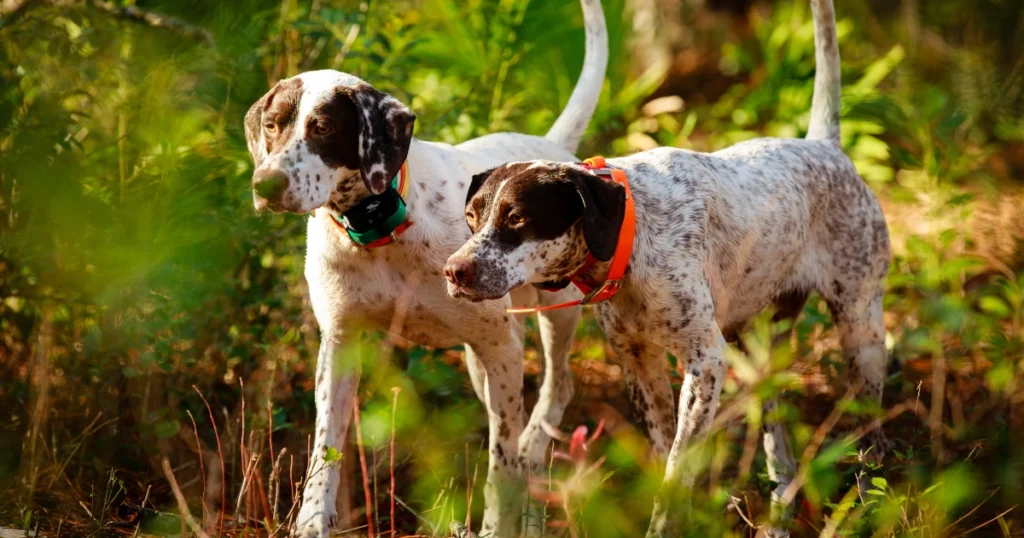
GUN DOGS A classic pair of English Pointers hone in on well-camouflaged covey.
Different Hunting Experiences
“Maintaining land for deer hunting is like having a pasture with horses running around in it. Keeping quail-hunting land is more like raising Thoroughbred racehorses,” Thompson says. “It’s basically two different classifications of hunters, and all the activities associated with quail hunting are more expensive.”
As a result, the land used for quail hunting has traditionally been more valuable. But there are signs that white-tailed deer are bounding past quail as the top driver of value for recreational land. Jon Kohler of Jon Kohler and Associates says some properties in Southwest Georgia with trophy whitetails have been valued at more than $8,000 per acre, a price point that was once reserved exclusively for top quail plantations.
“Quail land is still valuable, but the top deer-hunting properties are starting to surpass the top quail places. If there’s a property where it’s been proven that you can raise trophy deer, it’s going to sell for more than basic recreational land, irrigated farmland, and even a lot of quail plantations,” Kohler adds.
Fox Creek Plantation
As an example, he singles out Fox Creek Plantation in Lee County, Georgia, outside the quail-hunting mecca of Albany. Even though deer were found on the plantation, it had been marketed for quail hunting. The listing drew no buyers for more than a year.
Then Jon Kohler and Associates got the listing, and the decision was made to rebrand Fox Creek as a deer-hunting property. Nutritional food plots were planted on the property to improve the genetics of the whitetails. Shell cameras were placed to showcase the size and quantity of the deer. Not only did Fox Creek sell shortly after the rebranding, but Kohler says the property has changed hands on two additional occasions over the past five years. Most recently, it sold at an astounding 227 percent increase over the original asking price in 2019.
Part of the reason for this shift goes back to the complexity of establishing a quality quail-hunting property. Simply put, the entry level to deer hunting is a lot lower than for quail hunting, which requires extensive — and expensive — property management.
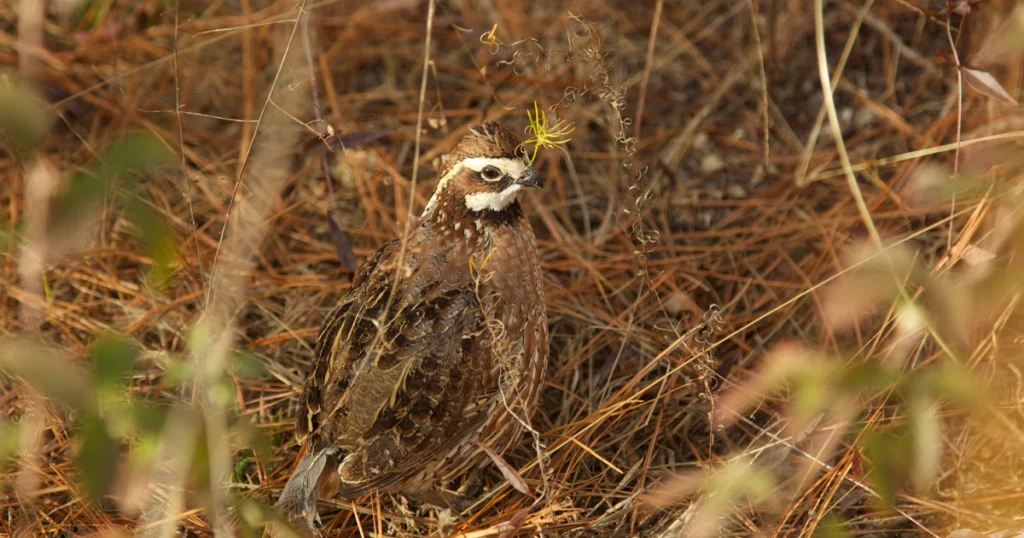
Quail = Cash
“Quail used to be a product of the land. Today, quail is a product of cash,” Kohler says. “You have to spend money to have quail. You have to feed, trap, burn, have the right areas for sunlight. And you have to have at least 1,000 acres. If you do all those things, you’ll have good quail, but that’s a lot to do.
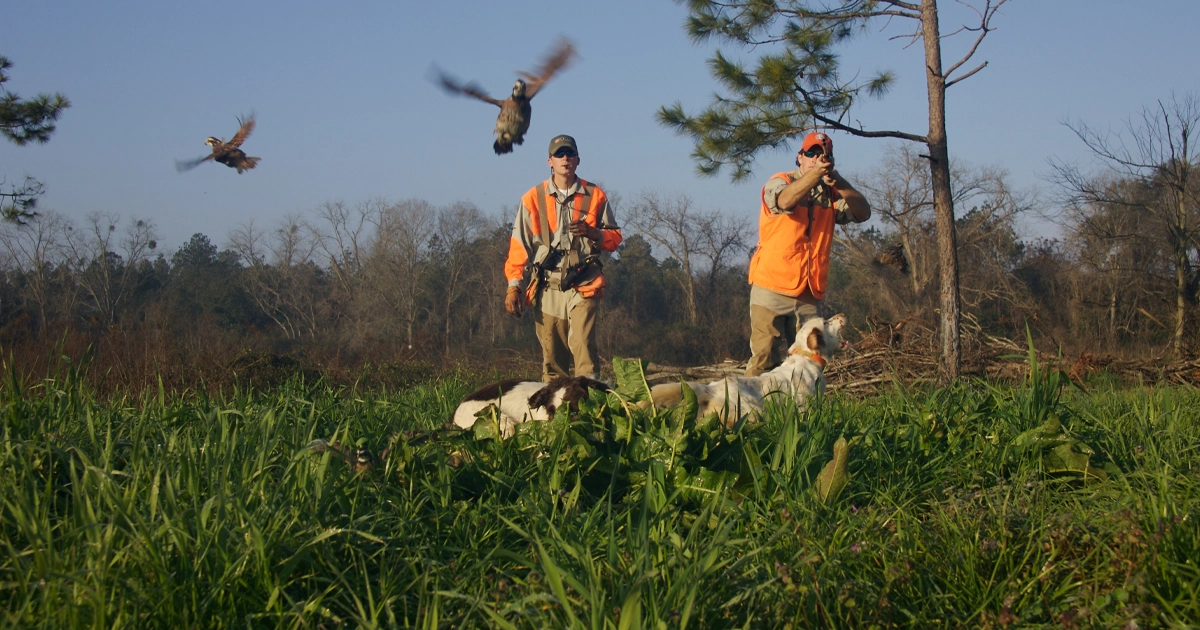
“Meanwhile, your buddies can show up to your property and just start hunting deer. It’s something you can get into pretty easily. Quail hunting is more complicated. People don’t understand the nuances as readily. You have to bring in dogs and dog handlers. People love it, but it requires a lot of outside effort. With deer hunting, you can really just do it yourself.”
Thompson notes there is a lot more to talk about and to display when it comes to hunting deer as opposed to hunting quail.
“If someone shoots a big deer, they have something to hang on the wall and brag about and show all their friends,” Thompson says. “Whereas if someone shoots a quail, they’re probably not going to hang the quail on the wall and tell a story about how they really stalked that quail and finally got him.”
Better Deer Management
But perhaps the biggest reason for the change is that the deer themselves are bigger these days. Modern management techniques focusing on food and nutrition have produced larger, stronger deer, increasing their appeal to hunters.
“It’s all about being able to consistently harvest 170-plus-inch deer,” Kohler says, referring to the score of a buck’s antlers. “I remember the first time I had a chance to shoot one that size. I didn’t even think they existed.”
They do, thanks in part to the efforts of David Morris, one of the founders of Game & Fish Publications. A native of Alabama who graduated from Auburn University with a master’s in biology, Morris says population growth and land fragmentation throughout the Southeast in the late 20th century prevented many deer from aging long enough to reach their full size. This, in turn, affected the genetics of future deer generations.
“There was a time in Georgia when the majority of the deer getting harvested were less than 2 years old,” Morris says. “Deer just weren’t getting enough age on them to reach their genetic potential.”
Research Consortium
Morris helped start a research project on a tract of land near Columbus, Georgia. His goal was to determine what could be done to effectively manage smaller tracts for bigger deer. Working with officials from the University of Georgia, Mississippi State University, Stephen F. Austin State University, and the Game & Fish divisions in Alabama and Georgia, Morris spent 12 years studying ways to improve deer management. “At the end of the project, we had 20 deer that averaged 177 inches,” Morris says.
“During this process, we found that the key to growing bigger deer was food and nutrition. We published a series of articles on management tactics that centered around food plots and supplemental feeding. That made a huge difference in deer management. We were inundated with calls from people wanting to know how to implement our strategy,” he says.
IMPORTANCE OF NUTRITION. Companies such as Tecomate Wildlife Systems are engineering bigger deer and driving up land values.
Tecomate Wildlife Systems
During this time, Morris discovered that Dr. Gary Schwarz — an oral surgeon and hunting enthusiast in Texas — was conducting similar research. Ultimately, Morris relocated to Texas and started a seed company with Schwarz called Tecomate Wildlife Systems to help landowners provide better nutritional management for deer through specialized food plots.
Morris bought the nearly 3,000-acre El Cazador Ranch near Hebbronville, Texas, and implemented the program there. Then he and Schwarz put the Tecomate system into practice on other properties throughout Texas and beyond. Morris says he has been amazed at the effect the larger deer have had on land prices.
“El Cazador was a cattle ranch when we bought it, and the biggest deer were in the 140s. Now they’re over 170,” Morris says. “We ended up selling it for about seven times what we paid for it, and there’s no doubt it was the deer program that elevated the value.
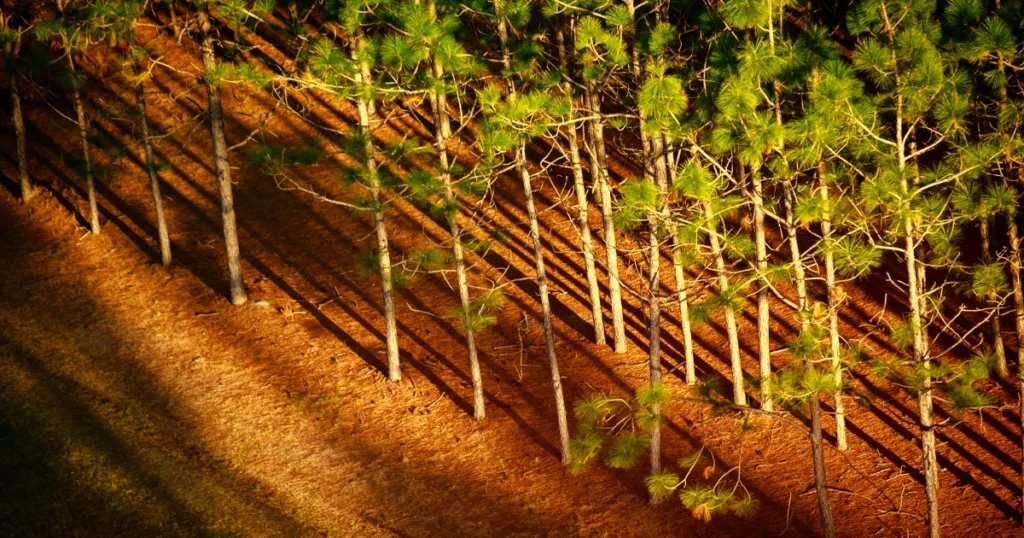
OPEN-CANOPY PINE STAND. One of the many costs associated with quail hunting is timber management.
Sky-High Land Values
“We see that all the time now. Areas with effective white-tailed-deer management can produce land values that people used to only dream of, all driven by the recreational hunting value. Here in Texas, it has surpassed agriculture and timber. That’s also the case in Kansas and much of the Southeast, including rural Florida.”
Kohler says the end of these rapidly increasing land values for deer-hunting properties is nowhere in sight. “I don’t know how deep the market is,” he says, “but we haven’t even come close to tapping it out yet.” 
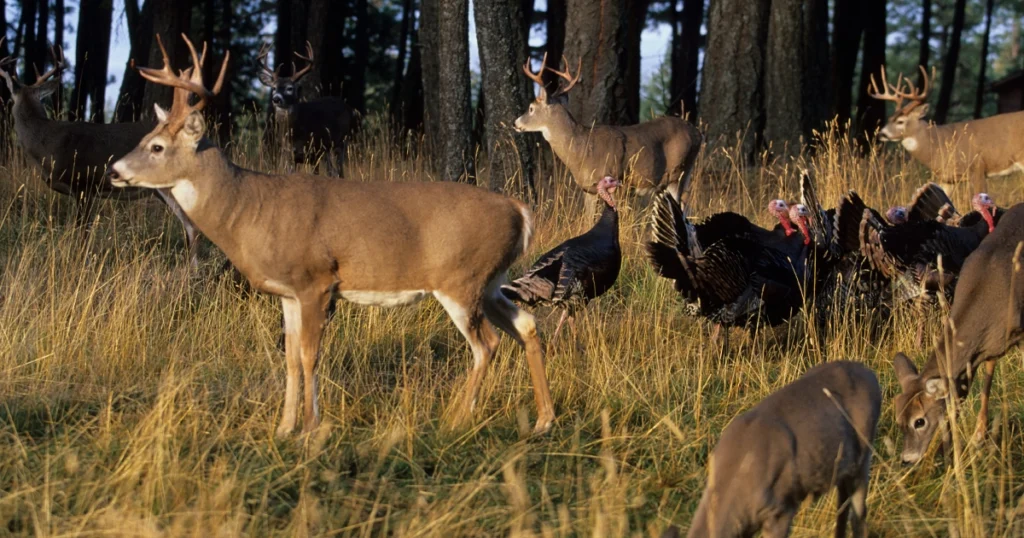
HEALTHY HABITAT. Enhancing whitetail forage will benefit other species, thus adding additional value to a property.