Pennsylvania Farmer Rejects $15 Million Offer
Pennsylvania Farmer Rejects $15 Million Offer
By Christian Allred

LR_LancasterPA-01-1
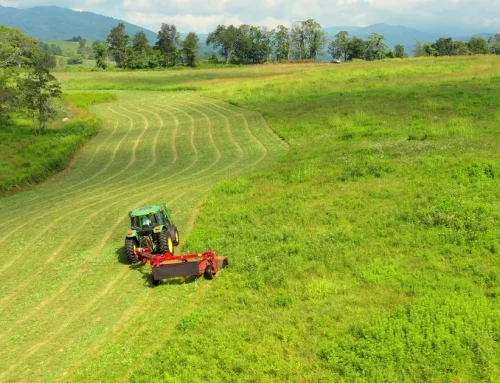
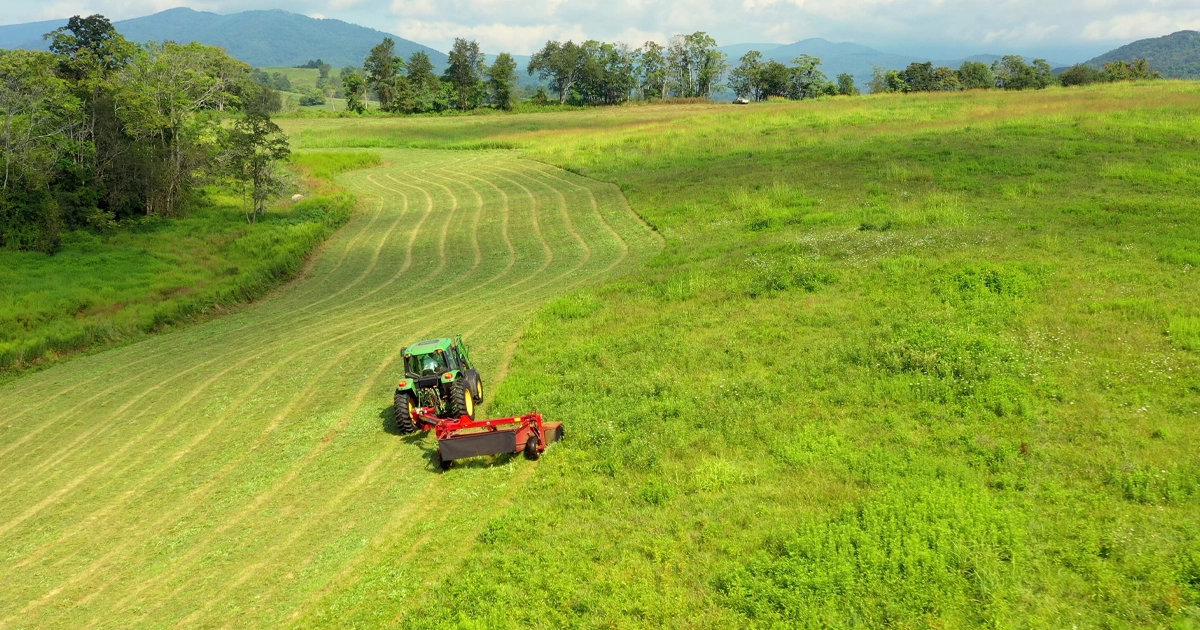
THE HEARTLAND. More than 99 percent of Lancaster County's 5,100 farms are family-owned, according to the Lancaster County Agricultural Council.
Published March 8, 2026

Mervin Raudabaugh Jr. turned down a $15 million offer that would have rendered his Pennsylvania farm into a data center. Instead, the 86-year-old accepted a $2 million counteroffer from Lancaster Farmland Trust to preserve the 261 acres as farmland in perpetuity.
“[Raudabaugh] was really committed to ensure that these farms remain open and available for agriculture,” Jeff Swinehart, president and CEO of Lancaster Farmland Trust, told Dave Price of American Farmland Owner. “The properties are more than just monetary gain to him. They’re his legacy.”
In addition, Raudabaugh and others in the historically agrarian region of Southern Pennsylvania share a certain land ethic that says, “While my name is on the deed, I don’t necessarily own it. It’s here for the community, and I want to make sure it stays here for the community,” Swinehart added.
Lancaster Farmland Trust typically pays landowners approximately 35 percent of a property’s appraised easement value. Thanks to Silver Spring’s voter-approved land preservation fund, however, Raudabaugh received the full appraised value of his land, plus an additional $2,500-per-acre for a total of $2 million. Although that amount is well below the $15 million he was offered, he ensured that his farm would be used only for agriculture in perpetuity.
Farmland Conservation Easements
“Our easements basically say the property stays open and available for agricultural use, and it starts placing limitations on the number of subdivisions that can occur, number of additional dwellings that can be constructed, and removes commercial-industrial uses of the property,” Swinehart said. “So really keeping it solely for an agricultural purpose.”
Since the easement is attached to the property title, it stays with the property regardless of ownership. Because it’s perpetual, it allows farms to be preserved indefinitely. That’s not to say conservation easements aren’t challenged from time to time. However, such challenges have yet to hold up in Pennsylvania’s courts, Swinehart said.
Lancaster Farmland Trust
Lancaster Farmland Trust was established in 1988 as a private, non-profit alternative to existing government farm preservation programs in Lancaster County, Pennsylvania.
According to Swinehart, the county has preserved more farms and acres than any other county in the nation. To date, Lancaster Farmland Trust has conserved 618 farms totaling more than 38,000 acres.
He attributes this feat to the area’s small average farm parcel size (75 acres), which prevents developers from amassing enough acreage for their purposes, and to the community’s pro-preservation culture.
“Agriculture is a part of the community,” Swinehart said. “Even though someone might not actively be engaged in agriculture — they’re not a farmer, they don’t work in the industry — it is so prominent across the landscape that everybody takes ownership and pride.”