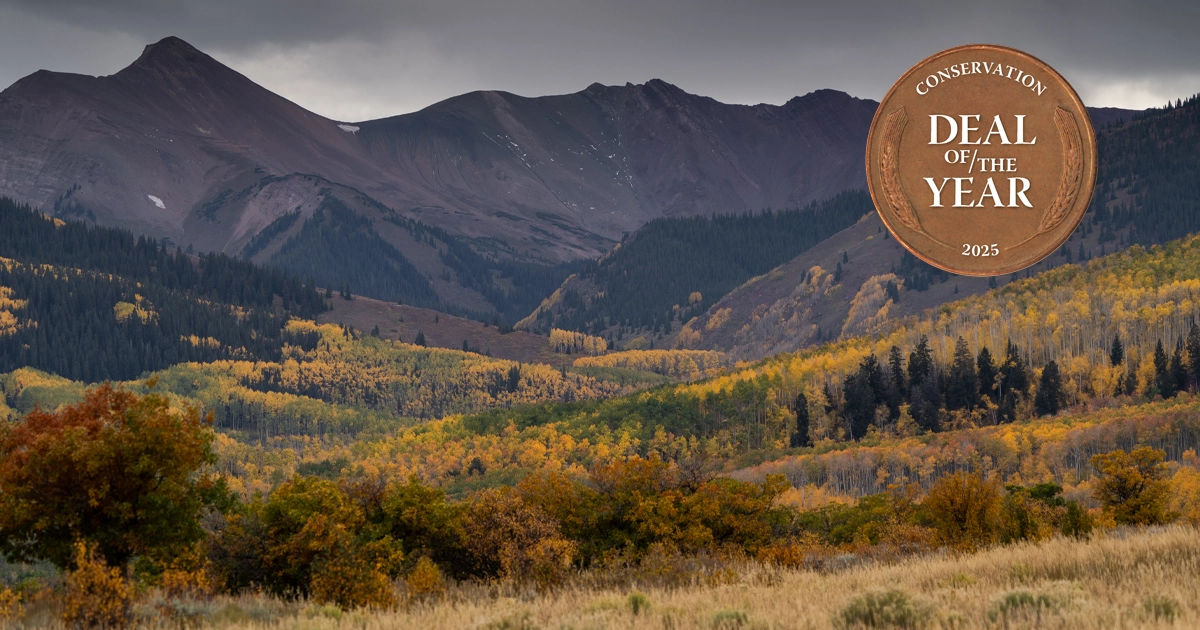
2025 Conservation Deal of the Year:
St. Benedict’s Monastery
2025 Conservation Deal of the Year:
St. Benedict’s Monastery
By Lisa Martin
Photography By Mirr Ranch Group
LR_StBenedict-01
Published April 15, 2026

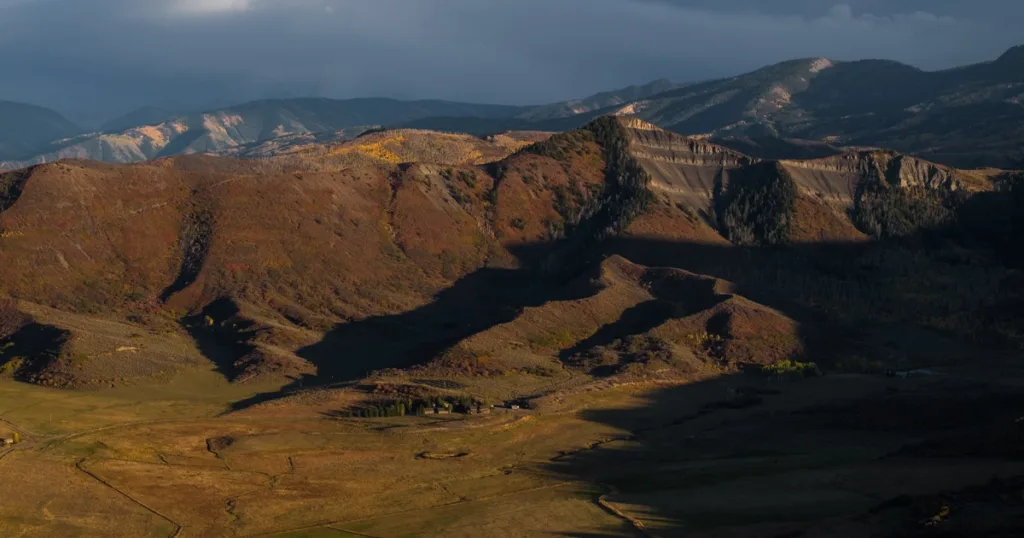
The Wall Street Journal reported in mid-December that Palantir Technologies CEO Alex Karp shattered Aspen-area records by paying $120 million for St. Benedict’s Monastery, a 3,700-acre sanctuary in Old Snowmass. Those involved in the historic sale are praising the transaction as an ideal conclusion to the seven-decade tenure of a community of Trappist monks.
Key Takeaways: The St. Benedict’s Monastery Sale
- Historic Sale with Purpose
- The $120 million purchase of St. Benedict’s Monastery set an Aspen-area record and marked a defining moment for the property. The transaction was structured not just as a sale, but as a thoughtful transition honoring its legacy.
- Buyer Identified
- The property was acquired by Espen LLC, an entity linked to Palantir CEO Alex Karp. While details remained limited due to nondisclosure agreements, the buyer aligned with the vision of preserving the land.
- Conservation Over Development
- Brokers intentionally avoided developers, seeking a buyer who would respect the land’s protected status and rural character. The result was a deal aligned with long-term stewardship rather than short-term gain.
- Complex Property, Careful Process
- With 3,700 acres, historic cabins, a monastery, and unclear boundaries and water rights, the property required substantial due diligence. This groundwork was essential to accurately position and value such a unique asset.
- Lasting Impact Beyond the Sale
- Proceeds from the sale are benefiting local charities and Trappist communities worldwide, extending the monks’ legacy. At the same time, the land’s conservation ethos and agricultural use are expected to continue into its next chapter.
“We were very intentional in trying to avoid developers in our marketing,” says Ken Mirr of Mirr Ranch Group, who co-listed the property with his daughter, Haley, and with Michael Latousek of Douglas Elliman. “We wanted someone to come in and appreciate this lovely piece of land in an area of Pitkin County that’s already heavily protected by conservation easements and has retained its rural character.”
“This was really the transaction of a lifetime,” adds Latousek, who like Mirr declines to identify the buyer, honoring a nondisclosure agreement. “We knew the sale was going to help people worldwide thanks to the revenue that was generated. Working that closely with the monks to help them achieve their goals was an extraordinary experience.”
An atypical assortment of structures and improvements dot the landscape, making the process of determining the $150 million asking price that much trickier. One example would be the homestead cabins that have stood on the property for more than a century. They were later augmented by the 24,000-square-foot monastery, plus a separate spiritual retreat center. Since acquiring land in the Capitol Creek Valley for $150 an acre in the mid-1950s, the Order of Cistercians of the Strict Observance also built bare-bones cabins to house as many as 15 monks who lived on the premises. By the time of the sale, that number had dwindled to five.
“Those structures aren’t things that someone who is going to purchase the land would necessarily be excited about,” Ken Mirr says. “It was unbelievably important to find the right buyer.”
Mirr began working with the monks three years ago. He devoted the first 12 months to preliminaries — everything from understanding the property’s migration corridors to spatial mapping to a comprehensive survey.
At the outset, the monks weren’t even sure how much acreage they actually owned; over the years, generous neighbors had bequeathed them land.
“We didn’t know exactly where all the water rights were or how many acres were irrigated,” Ken Mirr says. “How many cattle had been run on the ranch over the years?” The monks allowed a local beef producer to raise cows on the land, a practice that the new ownership is expected to continue.
Then there was Brother Raymond. The Trappist monk, now in his mid-80s, expressed to the Mirrs and to Latousek a strong desire to remain on the property. He hopes one day to be buried alongside 10 of his brothers who are interred in the ranch’s cemetery.
“The buyer said that was fine,” says Haley Mirr. “He even gave Brother Raymond a stipend. It was another way the buyer treated these people with dignity and understood the emotions of the situation.”
“The money from the sale made a big impact here, too,” says Latousek, who lives with his family near the property.
“The order donated quite generously to some of the local charities.” Additional proceeds have been used to support some of the 170 Trappist monasteries around the world.
And while their collective time has come to a close in the Capitol Creek Valley, the monks have made an indelible impact on the region.
“The stewardship of the people who have taken care of this land over the years has been incredible,” Ken Mirr says. “The actual existence of the monas-tery propelled conservation throughout the community up there and positively influenced the other property owners.”
All three of the brokers, meanwhile, seem excited to see what a new chapter will bring for this idyllic stretch of the Centennial State.
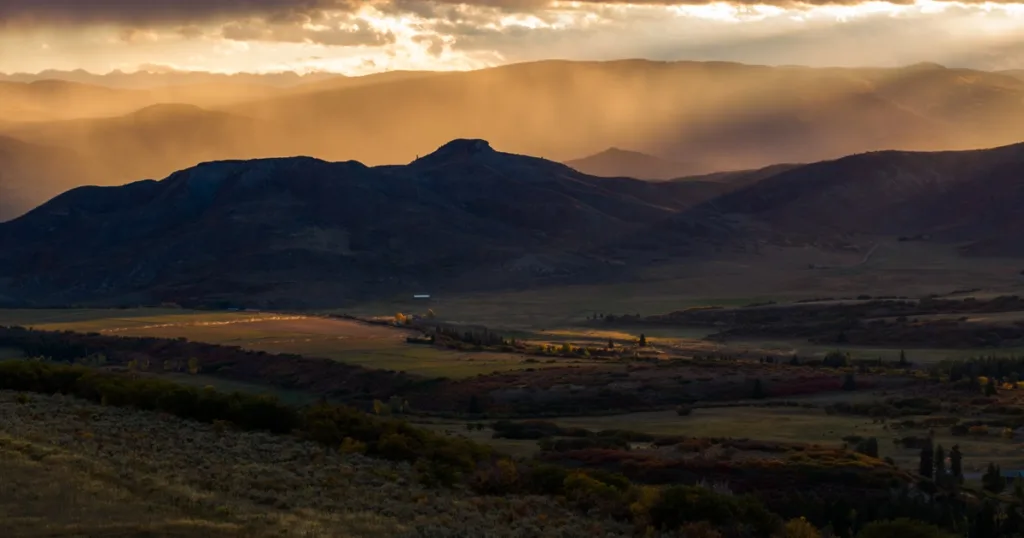
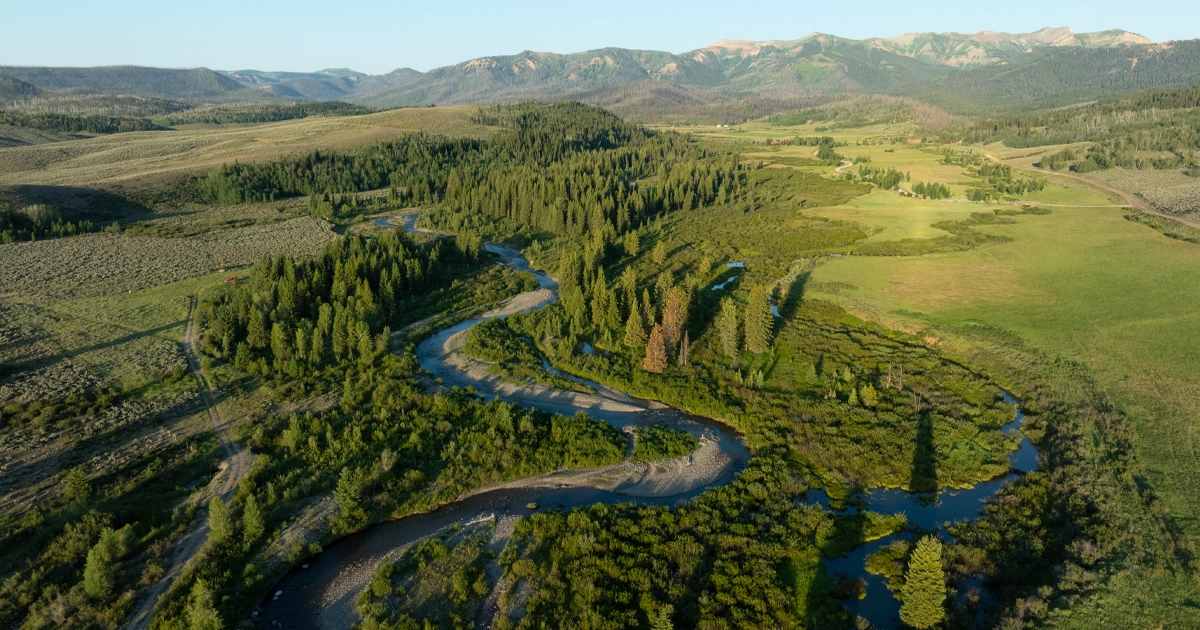
“Geographically this is kind of a hidden 3,700-acre amphitheater that doesn’t even get much air traffic let alone noise from Highway 82,” Latousek says. “When you roll onto the ranch, you feel this sense of privacy and history. I can’t imagine a better private mountain retreat.”