Zane Kiehne’s Quest to Buy America’s Greatest Ranch™
Zane Kiehne’s Quest to Buy America’s Greatest Ranch™
By Lisa Martin
Photography By Gustav Schmiege III
LR_Zane_TanyaKiehne-02
BEST IN CLASS. UU Bar Angus benefit from Express, Olinger and Jost, Sitz, and Vermilion genetics. Learn more at UUBarRanch.com.
Published January 15, 2026

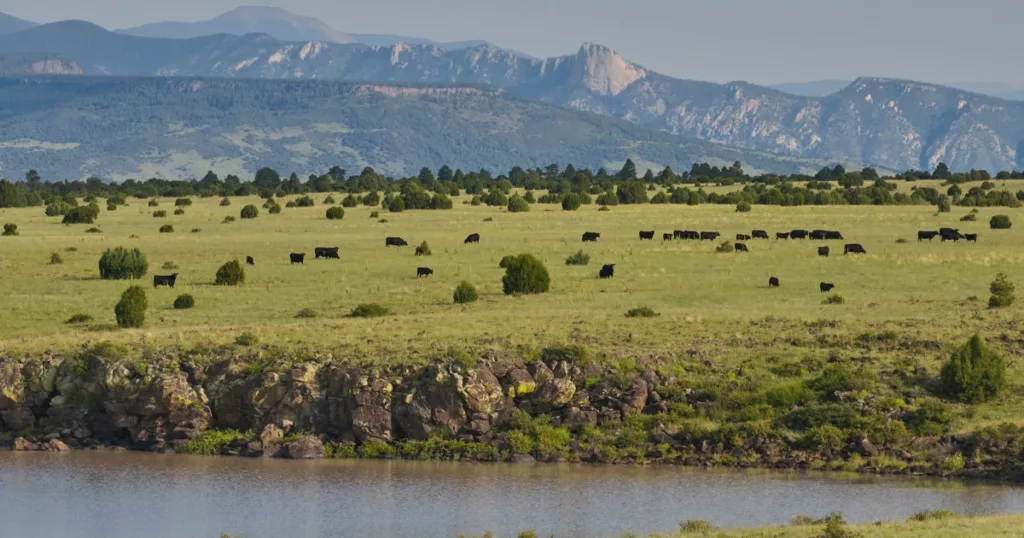
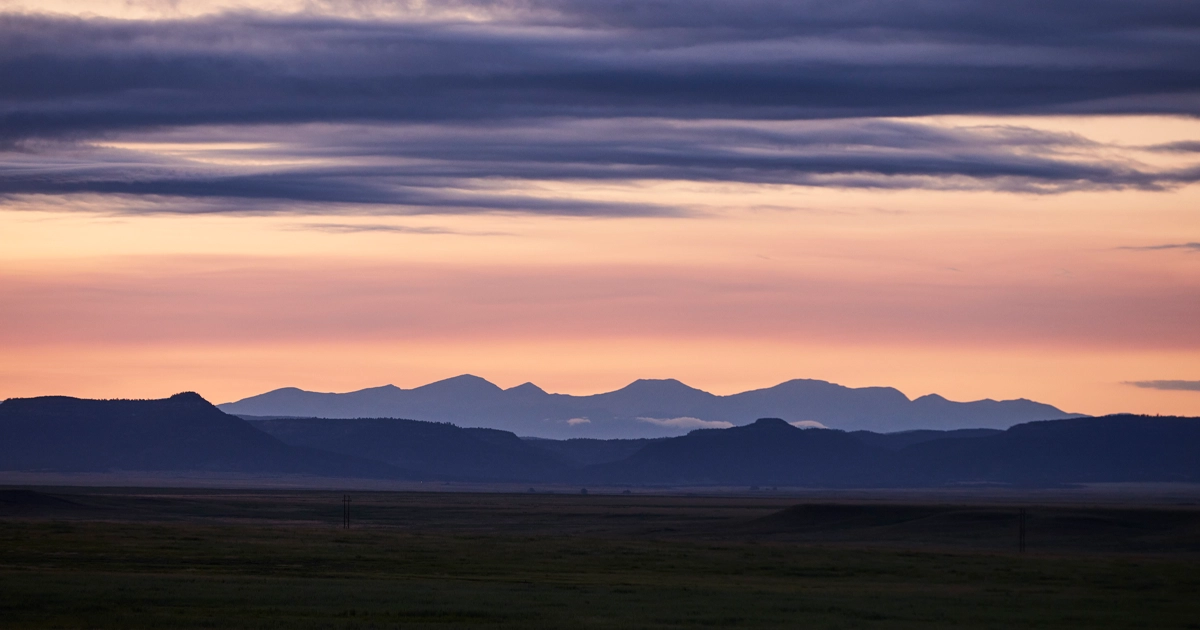
On a sun-dappled December day, Zane Kiehne slows his gator-green Jeep Gladiator and points toward a snow-capped peak on the western horizon. Baldy Mountain shimmers in the distance, 12,441 feet above sea level. The fact that it’s on the very same ranch defies belief. Beneath it, towering aspens stare down trophy bull elk that tip the scales at more than 750 pounds. We’ve seen herds of Angus, hundreds of bison, bands of sprinting pronghorn, skittish deer, and flocks of turkey. The lone black bear? He was on the wall back at the lodge.
“Some may think it’s a tall tale to call the UU Bar Ranch the greatest ranch in America. OK. Show me the ranch that’s better,” he says. “The location, the climate, the massive size and views, the strong grazing land and top-quality cattle, some of the largest trophy elk in North America, Boone & Crockett pronghorn, mule deer that score 175 to 195 inches, rivers and lakes with superb fishing, water rights that date back to 1863, the timber, the history.”
A 40-year career filled with dealmaking and unapologetic ambition has brought the 69-year-old Kiehne to this moment, one he clearly relishes. Though he owns 10 other ranches in New Mexico and Texas, it’s the UU Bar Ranch — all 281,982 acres — that was and is his dream come true.
Location, Location, Location
The Jicarilla Apache and Moache Ute once claimed the region where the UU Bar stands as their own. To the Spanish grandees in Santa Fe and their Mexican successors, the eastern slopes of the Sangre de Cristos were out of sight, out of mind. Their significance skyrocketed once gold was discovered on the flanks of Baldy. By then, the UU Bar was in the New Mexico Territory. One of the super highways of the Old West — the Santa Fe Trail — ran through it.
At the time, Lucien Maxwell owned the ranch; he was the largest landowner in the West. The frontiersman’s 1.7 million acres stretched from the Great Plains to the summits of the Sangre de Cristo Mountains. Maxwell hired Kit Carson to run down rustlers thieving his cattle, and he brought on “Buffalo Bill” Cody to be his ranch manager, which led to another question from Kiehne: “Can you name another outfit in the Old West run by legends like Carson and Cody?”
In 1870, Maxwell sold his gigantic land grant to a group of British investors for the then-staggering sum of $1.35 million. The Colfax County War erupted shortly afterward. Turns out the hundreds of settlers who lacked title to their dwellings didn’t take kindly to being run off.
In 1922, Waite Phillips bought 300,000 acres of Maxwell’s original grant and registered the UU Bar brand. Over the next 20 years, the Oklahoma oilman donated 127,000 acres to the Boy Scouts of America. Philmont Scout Ranch has since become one of the most popular youth camps in history and has hosted more than 1 million Scouts. Kiehne considers the Scouts a good neighbor.
In 2006, Bob Funk (1940-2025) bought the UU Bar (see “Trail Boss,” Land Report Fall 2011) and added it to his Express Ranches portfolio. During his tenure, the ranch grew to more than 160,000 acres.
In 2018, the president of Express Ranches got an inquiry about selling the UU Bar. Jarold Callahan didn’t think it was on the market. But he knew it wasn’t his decision to make. He called Funk. The gregarious CEO laughed off the idea. He had no intention of selling. And by the way: Who the hell was Zane Kiehne?
Basic Training
The acumen and intensity that Kiehne brings to his negotiations no doubt surprised Funk. But Kiehne’s love of land is not just his passion; it’s his birthright. The second of Anne and Billy Kiehne’s five children was born in 1956 and raised on the Five Bar Ranch, which his great-grandfather homesteaded in the 1880s in Catron County, New Mexico.
As a 5-year-old, he began riding out to work cattle alongside his grandfather, Max Kiehne, and his father, Billy. At 6, he was putting in a full day’s work — all day, every day, all summer long. Max, Billy, and Zane checked on their cattle. They branded calves. Quite often, they were joined by Zane’s brother Travis.
“I learned from my granddad that when you’re trailing cattle, you’ve got to know what a cow’s thinking before she ever thinks it,” Kiehne says. “So, when she decides she’s going to quit the trail and go off in that other direction, you’re sitting there on horseback waiting for her.”
Mind you, the boy was taught to think in this manner as a 6-year-old.
The Kiehnes were raised in a cabin on 300 deeded acres and a US Forest Service lease in the Gila National Forest. They moved into Reserve when Zeno started school. Sharp as a whip, Zane entered New Mexico State University in Las Cruces to study chemistry. “I hated those four-hour labs,” he says. “I wanted to go roping.” He changed majors to range science and worked as an engineering tech for the USDA’s Soil Conservation Service during summers.
But his distrust of the federal government — spurred in part by the Forest Service’s mismanagement of public lands and waters in Catron County — led him to rethink his future plans.
Then a cousin came calling.
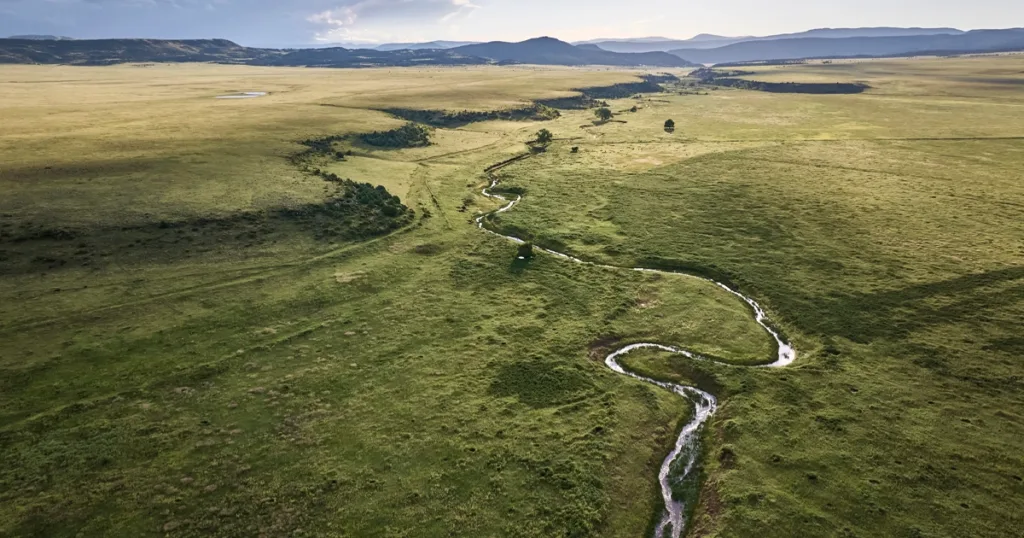
STRONG COUNTRY. On 400 square miles, 5,000 mother cows and world-class wildlife don’t compete for resources. They flourish.
School of Hard Knocks
After college, Kiehne enrolled in real estate school in Albuquerque at the urging of Max Kiehne, a legendary dealmaker. Real estate license in hand, he signed on with Max’s firm, Centerfire Property Company. It was the spring of 1980, and the job’s only upside was that it came with its own accommodations: a barn behind Max’s house. The prime rate was pushing 20 percent, unemployment was above 7 percent, and Gerald Ford was about to lose his job to Ronald Reagan. Kiehne was doing everything he could to keep his head above water.
“You had to be creative to put together a deal,” Kiehne says. “It was all owner financing, wrapping mortgages, assuming mortgages. You had to learn how to make deals in a bad climate, and you pretty much had to starve for a while.”
Kiehne stayed on task — a consistent theme throughout his life. It’s one of the man’s defining characteristics and the reason he can lay claim today to what he considers the greatest ranch in America.
“One thing you learn about Zane: He’s definitely a dealmaker,” says Tanya Kiehne, 57, the matriarch of their blended family of five children and eight grandchildren (with a ninth on the way). “Zane can make anything work. He doesn’t give up. He figures out a way.”
From stagflation and record interest rates to Black Monday, the oil bust, and the Savings and Loan Crisis, the 1980s challenged everyone in real estate. Yet Kiehne persisted. He sold houses. He brokered ranches. He resold tract homes that had gone back to the lender. But he couldn’t scrape together enough money to buy his own ranch.
The Game Changer
Sid Mac Kyle (1904-1990) was not your typical Texas Aggie. Of course, he bled maroon and white. That’s what happens when Kyle Field is named after one of your uncles. Kyle was a three-year letterman on the Aggies baseball and basketball teams. He captained both squads his senior year. After college, he returned to West Texas and spent the rest of his life cowboying. Upon his death, his ranch went to his alma mater, which severed the mineral rights, kept them for itself, and put the surface rights — “the land” — up for auction. There was only one problem. No one would pay the $40-per-acre appraised value.
Not only was Loving County the least populated county in Texas — a whopping 81 residents in 1990 — but it has long been a contender for the most desolate.
Kiehne couldn’t bid on the Kyle Ranch because bidders had to pay in full. As soon as he learned it hadn’t sold, he did what his grandfather taught him in the mountains above the Five Bar Ranch: He didn’t chase the cow; he went where it was going.
The gutsy 37-year-old presented Texas A&M officials with a full-price offer: $632,000. They took it. “At the time, the Kyle was the only ranch we could afford,” Kiehne says, referring to himself and his cousin, Oliver Kiehne. “If it hadn’t been in Texas, we couldn’t have done it. New Mexico lenders would have required a 50 percent down payment, which wasn’t an option for us. We closed with a $170,000 down payment.”
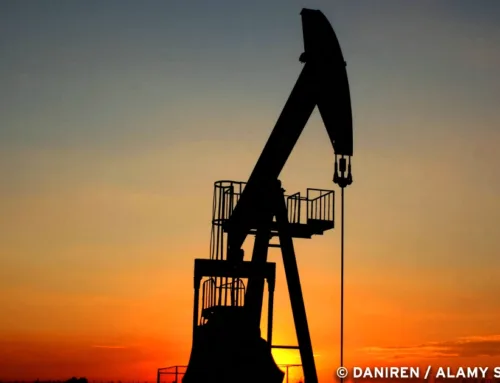
Two years later in 1996, the cousins bought the Battle Axe Ranch. When the oil boom hit, Kiehne recognized other ways to monetize the strategically situated parcel, which is located at the western edge of the Permian Basin, one of the world’s most prolific oil fields. Although the oil and gas beneath the Kyle belonged to Texas A&M, the Kiehnes’ surface rights meant they could mine caliche and gravel to build roads. Power lines, pipelines, cell towers, and bore holes all required easements.
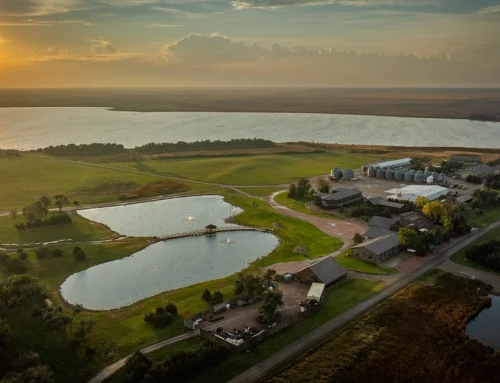
By 2010, Kiehne’s days as a ranch broker were over. He was too busy monetizing the Kyle Ranch. He and his cousin split their holdings: Oliver got the Battle Axe and Zane got the Kyle. Then hydraulic fracking came to Loving County. The Kyle sat atop a previously untapped formation called the Delaware Basin. Fracking a well in the Delaware required from 600,000 to 700,000 barrels of water. At a little less than a dollar a barrel, Z&T Cattle Company was willing to oblige. Revenues poured in from disposal wells, gas plants, compressor sites, frac pits, Bitcoin mines, housing sites, and a data center.
Kiehne’s operation doubled in size, with Zane handling the development, sales, and operations, and Tanya taking care of the billing and bookkeeping. The Kyle had transitioned from a cattle ranch to an oil-field industrial-use center. Its world-class client list included energy giants such as Anadarko, EOG, Oxy, and XTO.
“I used the same approach in making deals with these oil companies that I did when trailing cattle,” Kiehne says. “I was always thinking, ‘What are they going to want next? What do they need?’ Often, I had answered these questions before they had even asked them, which is why they worked with me. I got things done.”
In 2018, Kiehne sold the water rights on the Kyle Ranch for more than half a billion dollars. Not long afterward, Bob Funk found out who Zane Kiehne was.
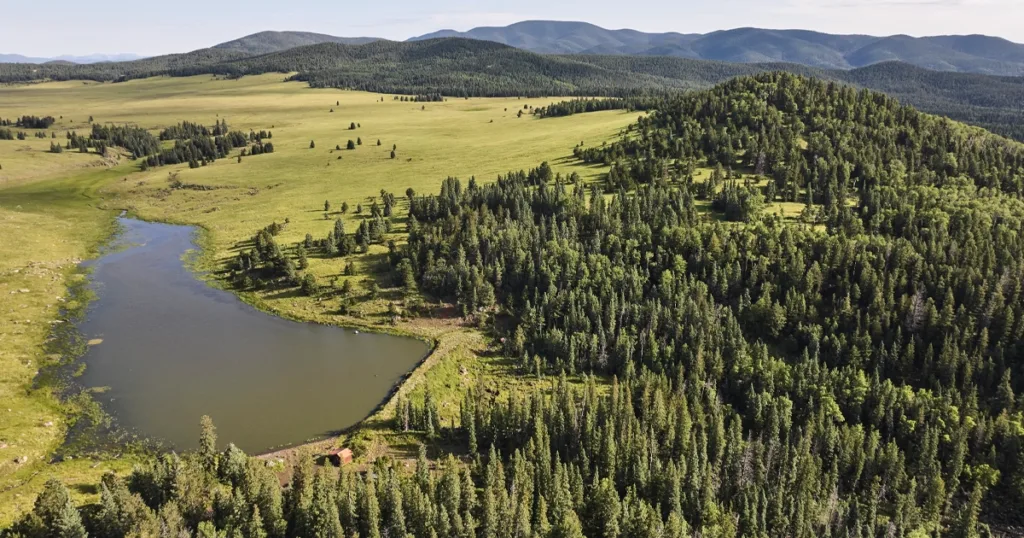
DIVERSITY. The UU Bar ranges from high-plains grasslands at 6,000 feet to 12,000-foot peaks and alpine lakes, including Middle Lake (shown here).
The Obsession
Once he had the means (along with the need to pursue a 1031 tax-deferred exchange), Kiehne took aim at the prize: the UU Bar Ranch. “Tanya says I’m obsessed when it comes to buying land,” Zane admits. “She thinks that I have an addiction or something.”
The UU Bar Ranch’s pristine, high-mountain acreage appealed to him, as did the mesas, river bottoms, and well-watered farmland on the Cimarron River. He talked up the scenery, the vistas, and the ranch’s greatness to Tanya. But what he didn’t talk up were the facilities. He hadn’t set foot on the ranch in 30 years.
“He knew the UU Bar was not for sale, but he told me he wanted it,” Tanya says. “He said that it was the best ranch in America and that there was nothing like it.”
Zane knew it was his destiny. In the early 1990s, he had been all over the UU Bar when it was owned by the Faudrees. His cousin Max had even listed it briefly.
“I knew the UU Bar was good year-round country. Go to South Dakota or Montana right now, where it looks like this country, and see what they’re doing during the first week of December,” he says. “They’re chopping ice. They’re in the middle of a darn blizzard. We’ve got milder winters down here. We have creeks running. Our water doesn’t freeze up. We have just as much beauty as they have up there and a whole lot better climate.”
Kiehne brought in John Diamond at Beaverhead Ranch Group to broker the sale, a sale the seller didn’t know about. It was Diamond who contacted Callahan and took the first steps with Funk, who rebuffed the initial offer. He wasn’t looking to sell the ranch. But no’s don’t deter Kiehne. In addition to his supersized checkbook, time was on his side. In 2018, Funk was 78. Estate planning was critical. But so was legacy. And that’s how Kiehne got the deal done. He not only offered Funk $200 million, but he gave him a six-year leaseback.
Thanks to that insight, Kiehne was able to achieve the impossible: He had bought America’s Greatest Ranch™ — a term he’s trademarking — and it wasn’t even for sale. “Bob wasn’t ready to step away from the ranch,” Kiehne says. “This way the ranch was mine, and he had time to wrap up his operations in a way and at a pace that made sense for him.”
“People might not expect that with Zane,” Diamond says. “Whether it’s cattle or horses or people, he’s a caring guy.”
Bigger and Better
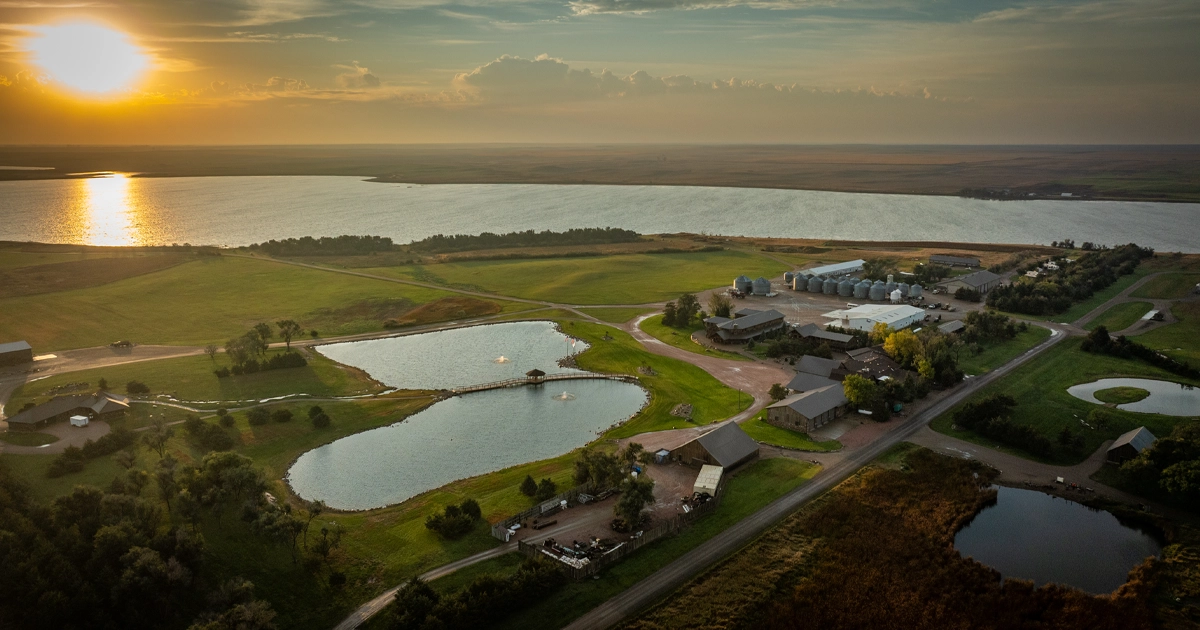
As you turn off New Mexico Highway 21 and drive toward UU Bar’s two-story log lodge, the odds are pretty good that a flock of turkey and some mule deer will take note of your arrival. At night, the plump birds seek refuge high up in the cottonwoods, safe from hungry predators. Zane Kiehne wants all that and more.
The ink had barely dried on the sale of the UU Bar when he began bolting on neighboring ranches of all shapes and sizes and in every direction.
First came Vallejo Polo Ranch. Then Dean Canyon and Baldy Mountain, part of the massive holdings of his neighbor to the north, Land Report 100er Ted Turner. Kiehne purchased the Frank Garcia Ranch in July 2020. Eleven months later, he bought a large tract from Hughes Abell, another longtime Land Report 100er. A month later, he added Davis Oaks. Two months after that, he bought the Norquist. Next up was a part of the High Card. In October 2022, he scooped up Hooser Ranch. In May 2023, he bought the Andrew Tyler.
In December 2024, he bought the Harper Ranch from the estate of Land Report 100er Stan Harper (1935-2024). Not only did the 40,000-acre property extend the eastern boundary of the UU Bar across Interstate 25 and north of the town of Wagon Mound, New Mexico, it included its own herd of purebred bison.
All told, he’s invested an additional $150 to $200 million in making America’s Greatest Ranch™ even greater. “Each piece I’ve added has made the UU Bar that much better,” Kiehne says. All of these acquisitions reveal a different dimension to Kiehne’s mindset, one that his wife’s background and training ideally complement.
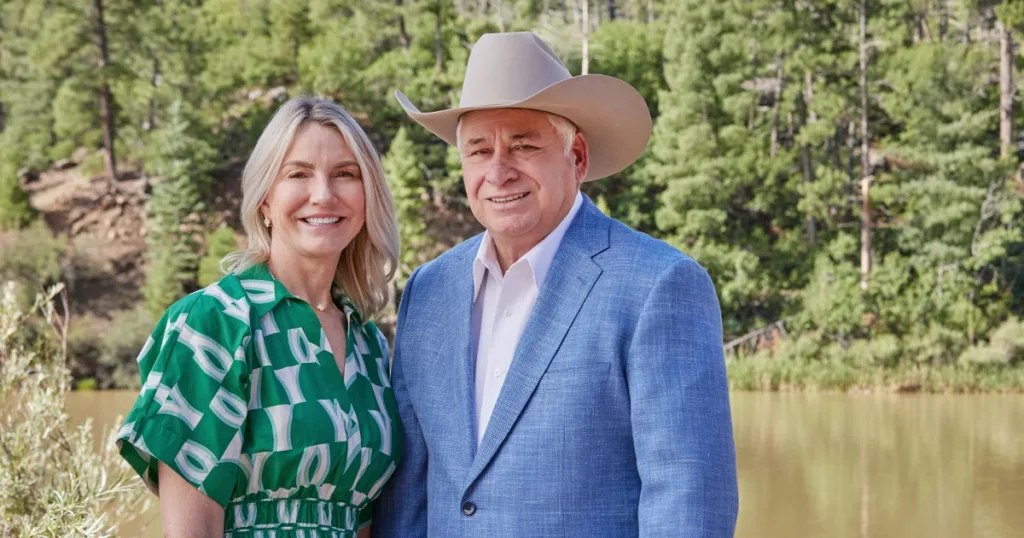
Z&T CATTLE COMPANY. For decades, the Kiehnes have worked side by side and forged a truly remarkable partnership.
Z&T Cattle Company
Tanya Blanchard Kiehne grew up in Pecos, Texas. As her career progressed, she eventually went to work for the Farm Service Agency (FSA), running the office that serves Reeves, Loving, Ward, and Winkler Counties. She loved helping farmers and ranchers. Her deep empathy and affection for both her hometown and anyone living off the land made her treasure her time with the agency.
She knew how tough it was to make a living off land. When she and Zane were in the water business, she watched every penny and every payable. Long ago, she adapted to Zane’s methodology. “We have this road guy named Doc, and I can remember after four years asking Zane when Doc was going to be done,” Tanya says. “Zane said just a couple more months. We are now five years down the road from when I asked. Doc will be with us forever.”
There is a method to Zane’s madness. “Ranches are good tax deductions. I build a lot of fence, build a lot of roads, install a lot of pipeline, and drill a lot of water wells,” he says. “It costs money to build good roads and put in things like storage tanks and drinkers, but I’ve improved everything I’ve bought.”
The couple employs a trusted team at the UU Bar, who are led by Working Ranch Manager Branden Muncy.
Muncy came to the UU Bar from the 260,000-acre Gray Ranch (see No. 51 Hadley Family on page 146). At its current size, the UU Bar can run 5,000-plus mother cows with 350 bulls — an elite cattle operation focused on top Angus
genetics, including Express, Olinger and Jost, Sitz, and Vermilion.
“Calves that are born in March weigh 700 pounds across the scales in October,” Zane says. “We can put a yearling out here weighing 400 in the spring, and in six months, that yearling will gain 300 pounds. It takes strong country to do that.”
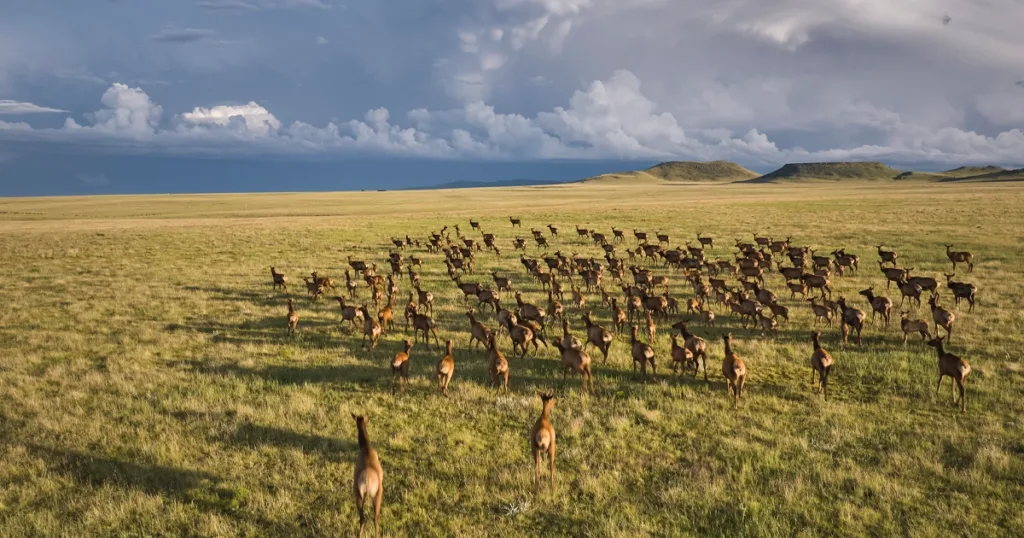
WILD KINGDOM. The UU Bar is home to thousands of pronghorn, mule deer, whitetails, bison, and elk.
Mother Nature
“It’s hard to find a multiple-species ranch that can touch the UU Bar. On top of that, it has year-round access, which is very important and not so common on a lot of higher-elevation ranches,” John Diamond says. Some 5,000 to 6,000 elk roam the ranch, as do trophy mule deer, whitetail, and pronghorn. Bison graze on the eastern pastures.
“It’s set up to be a world-class hunting ranch, fishing ranch, and even a tourist destination because of its history,” Diamond adds. “Zane has some of the best cattle out there and the country to graze them, so it doesn’t affect the hunting. Most places, if you graze too hard, your hunting’s not as good and vice versa. But UU Bar is so big that’s never the case.”
Closing Arguments
A perfect day for Zane Kiehne includes spending time out on his favorite ranch, watching his herd, soaking up the scenery, and silence.
“That’s something my dad and granddad could do — just spend hours looking at cattle,” Kiehne says.
During those periods of quiet, Kiehne mentally catalogs the ranches he’s bought and sold and passed on. Perhaps that’s how he identified one final standout quality to America’s Greatest Ranch™.
“One reason this place is so pristine is that it’s been privately managed and privately owned for the past 175 years,” he says. Kiehne is not prone to political grandstanding, but private property rights and their importance to his way of life are core beliefs.
“Some of these landowners, they like to invest their money and come out and enjoy their ranches every now and then. Zane is the opposite of that,” says Travis Driscoll, one of Diamond’s colleagues at Beaverhead Ranch Group.
“Zane takes the grandkids out there in the summer,” Tanya says. “He really enjoys seeing the ranch through their eyes.”
The more time you spend with him, the more it becomes apparent that Kiehne sees America’s Greatest Ranch™ from a lot of people’s perspectives. Take, for instance, those whom he grew up with in Catron County. Or the many ranchers and hands he’s worked with throughout New Mexico and in Texas.
As he sips another lungful of crisp Rocky Mountain air, he mentions how grateful he is to be able to bring out the best in this magnificent property. His perspective shifts yet again.
Lucien Maxwell, Buffalo Bill, Kit Carson, Waite Phillips — he’s proud to be taking in the same vistas that inspired his predecessors on the UU Bar.
“I’ll never find another ranch like this,” Zane says, eyes gleaming as he surveys one of his high alpine lakes.
“This one I’ll take to my grave.” 
Published in The Land Report Winter 2025.