Recoverable Grants Let Conservation Move at the Speed of the Market
Recoverable Grants Let Conservation Move at the Speed of the Market
By Larry Selzer & Joe Taggart
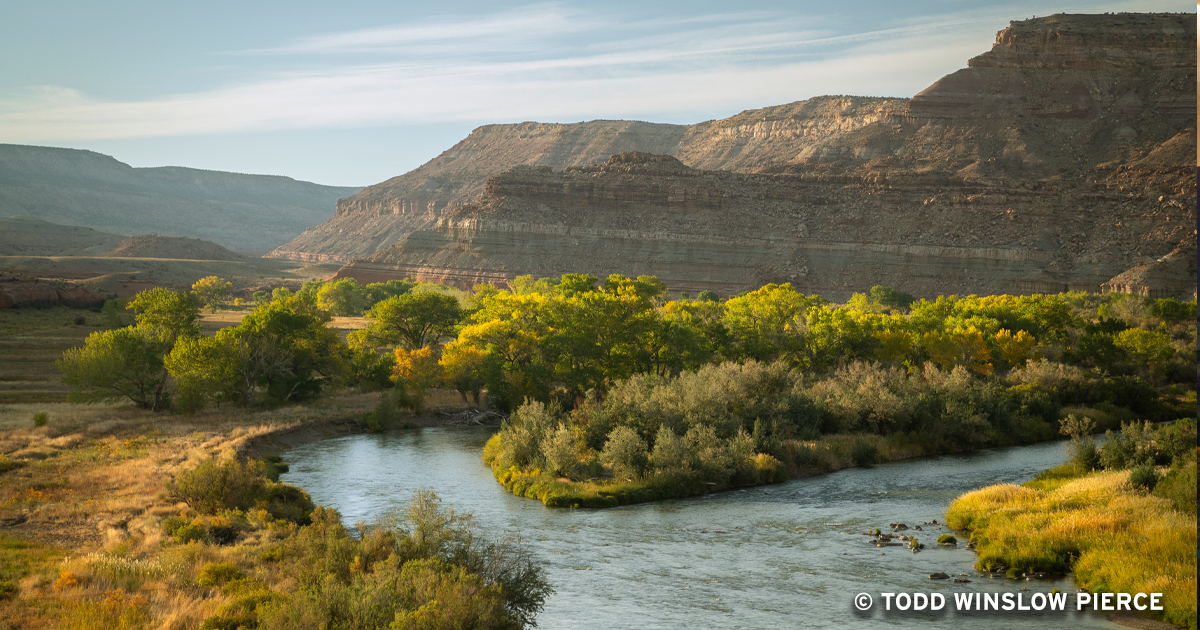
LR_EscalanteRanch-01
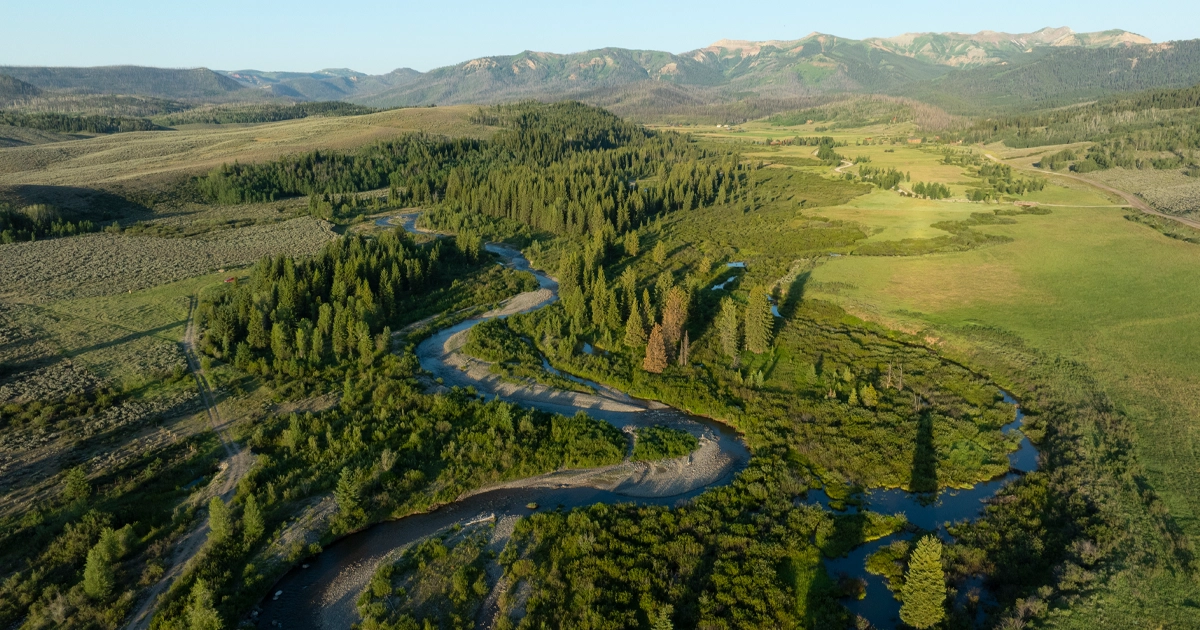
RAPID RESPONSE. Recoverable grants have facilitated the acquisition of key tracts, such as Colorado’s 4,000-acre Escalante Ranch.
Published October 30, 2026

Land is America’s most important natural resource — a source of freedom, opportunity, and national identity. It sustains us today and nurtures future generations. Yet pressures on land are growing, and we are losing open space faster than we realize. Fragmentation, development, and shifting public policies are reshaping America’s landscapes. Across the country, forests, farms, ranches, and critical natural areas are coming up for sale, and buyer speed — not public benefit — often determines their fate. It’s a race that conservation is often losing.
The Loss of Essential Infrastructure
In 2025 alone, the US lost 2.5 million acres of agricultural land and 3.5 million acres of forest, according to the US Department of Agriculture and Global Forest Watch. These are not just any lands. They are part of our nation’s essential infrastructure, providing us with clean air to breathe, clean water to drink, safe and sustainable food, and open space for wildlife. And they provide millions of jobs across rural America, from forestry to outdoor recreation, jobs that cannot be exported overseas. Working forests alone support nearly 4.7 million jobs in the US and generate more than $340 billion in payroll, while the outdoor-recreation economy supports more than 5 million jobs and contributes $1.3 trillion in economic output.
Competing in today’s market requires nimble capital — especially as public funding for conservation slows. When public funding lags, landowners often choose buyers who can close sales quickly. Fortunately, we have identified one of the fastest and most flexible tools available: Donor-advised funds and private foundations, which hold nearly $2 trillion in philanthropic assets, can deploy capital quickly and efficiently using new conservation-finance tools to secure these threatened lands. And the best part is that this capital can be returned to donors once permanent conservation is in place.
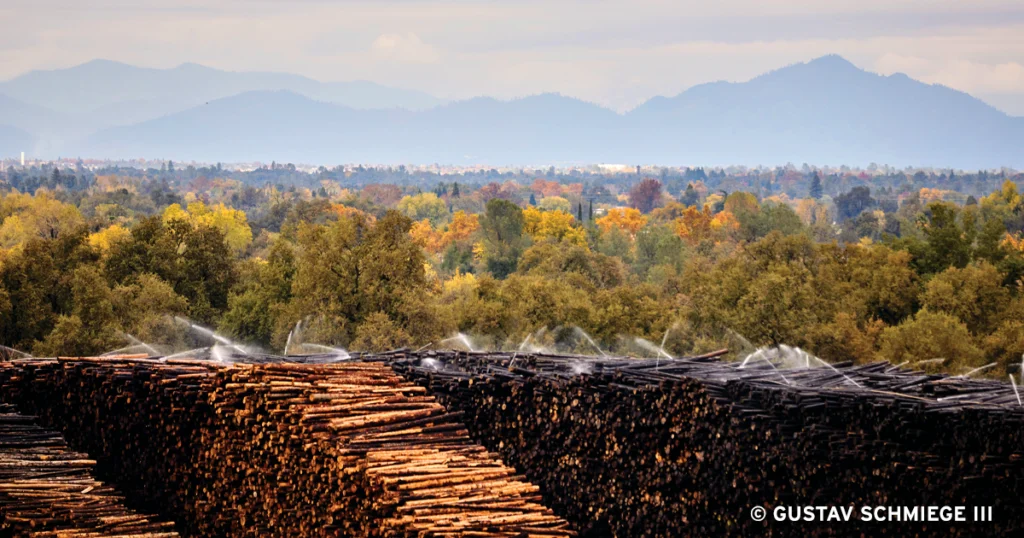
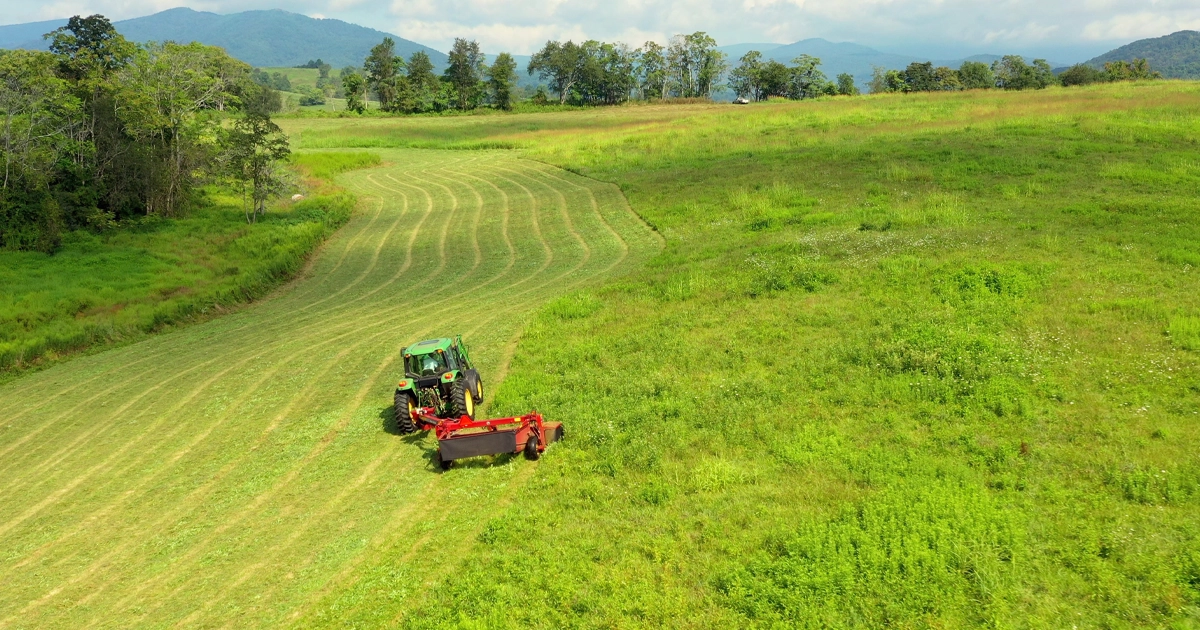
BUTTRESSING AN ECONOMIC POWERHOUSE. Keeping forests, farms, and ranches intact protects the livelihoods of millions of Americans employed in a whole host of industries.
Developing a Regenerative Business Model
Organizations at the leading edge of conservation have built regenerative business models that allow them to move quickly when a landowner is ready to sell, buying at-risk land and securing the critical time needed to convey it to permanent conservation stewards. The deployment of philanthropic capital through recoverable grants — charitable grants that are gifted and later returned to the grantor — is the breakthrough that the conservation movement has needed. For donors, the impact is concrete and measurable, without requiring a permanent gifting decision. For land-conservation practitioners, the capital is fast, flexible, and catalytic.
Acquiring the Escalante Ranch
A recent collaborative effort in Western Colorado illustrates the power of this approach. In 2024, The Conservation Fund acquired the 4,000-acre Escalante Ranch, the largest remaining private inholding within the Dominguez-Escalante National Conservation Area. The property, which stretches along the Gunnison River just before it meets the mighty Colorado River, came on the market at a moment when public funding was not yet available.
Without swift intervention, the property would have been broken up or sold for development, threatening river corridors, wildlife habitat, and public recreation access. Instead, The Conservation Fund utilized recoverable grants to purchase the property, giving partners the time they needed to assemble long-term funding. When funding arrives, the recoverable grants will be repaid, ready to be deployed again at the direction of the donors. The Escalante project is one of many. In 2025, recoverable grants helped protect valuable at-risk land across the country.
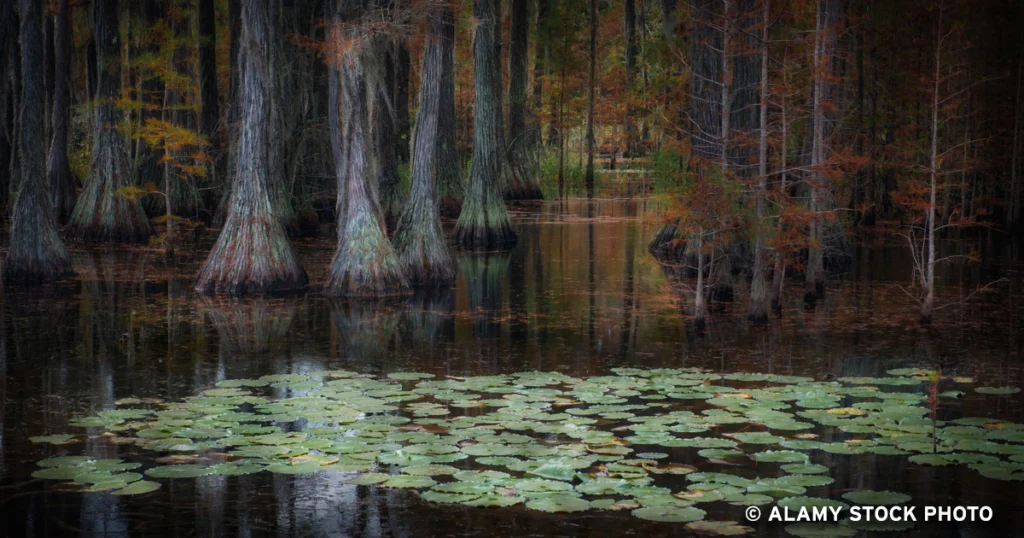
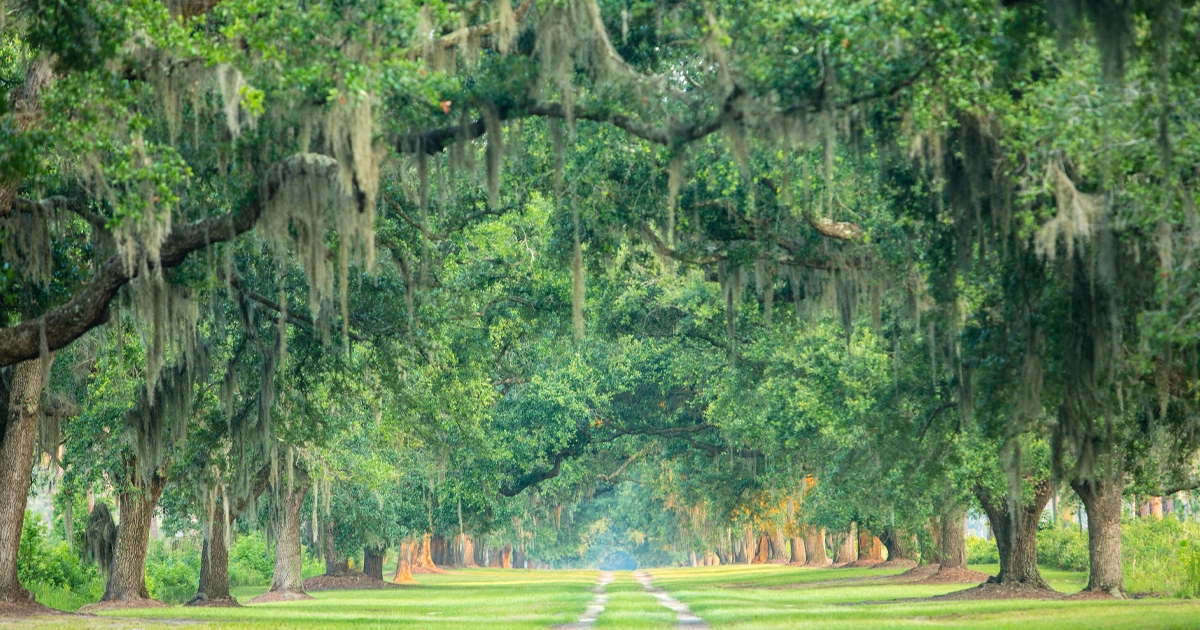
OKEFENOKEE SWAMP. The 2025 purchase by The Conservation Fund of almost 8,000 acres will expand ecotourism opportunities at this Georgia landmark for both state and federal partners.
Protecting the Okefenokee Swamp
In Georgia, The Conservation Fund acquired 7,700 acres next to the Okefenokee National Wildlife Refuge, ending the threat of mining and opening a path to permanent public ownership.
In Northern Maine, more than 3,000 acres will move to the Mi’kmaq Nation through a Wabanaki-led land-return process, providing Tribal-led forestry, hunting, fishing, and cultural use. And on the Texas Gulf Coast, The Conservation Fund helped protect 2,232 acres of wetlands that provide winter shelter for the only wild population of endangered whooping cranes.
Same model every time: Move fast, protect the land, work with a partner to ensure it is permanently protected, and recycle the capital. Recoverable grants help make all this possible — and there is so much more we could do.
Unlocking Extraordinary Conservation Outcomes
Vast pools of charitable capital sit in donor-advised funds and private foundations. These assets have already generated a direct tax benefit, a cost collectively borne by the public, and are intended to eventually be allocated to benefit the public good. Yet much of this money remains invested in conventional assets and securities rather than mobilized to advance collective goals. Donors who assign even a small share toward recoverable grants to conserve America’s magnificent natural and working lands would unlock extraordinary conservation outcomes. Thankfully, many major public charities that sponsor donor-advised funds are now making these philanthropic instruments available to their clients. This means anyone with a charitable account can play a role in providing critical capital for urgent conservation projects.
The United States has a long tradition of treating its natural lands as an essential part of the public good. Preserving that heritage today requires moving at a speed our public institutions were never designed to match — it is why The Conservation Fund was created.
Working at the Speed of Private Capital
LandVest sees high-conservation-value real estate and timberland transactions up close. We’ve watched The Conservation Fund’s model succeed in practice, helping landowners achieve quick closings at competitive prices while ensuring permanent conservation outcomes. And without the recoverable-grant donors who made these transactions possible, much of that land — and the public benefits it now provides — would have been lost. With these tools in place, conservation can now work at the speed of private capital, putting investors and public interests on equal footing.
When you invest in land conservation, you’re securing far more than acres of trees or fields — you’re investing in America’s economy, jobs, and future prosperity. The returns are tangible: thriving wildlife habitat, clean air and water, preserved heritage, and stronger communities. 
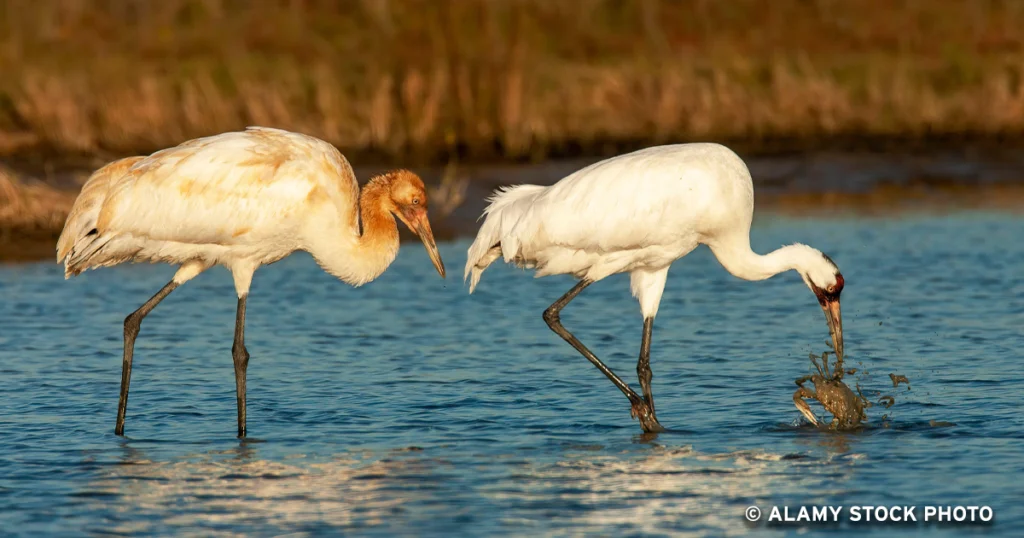
SAVING A TEXAS ICON. Acquiring Costa Grande Ranch was a critical win not only for endangered whooping cranes but also for the Texas towns that depend on tourism revenue.
Larry Selzer is president and CEO of The Conservation Fund, a national nonprofit conservation organization. Joe Taggart is president and CEO of LandVest, a real estate brokerage and advisory firm.