Jim Kennedy Protects Clarendon Farms
Jim Kennedy Protects Clarendon Farms
By Cary Estes
Photography By Cox Enterprises
LR_Clarendon-01
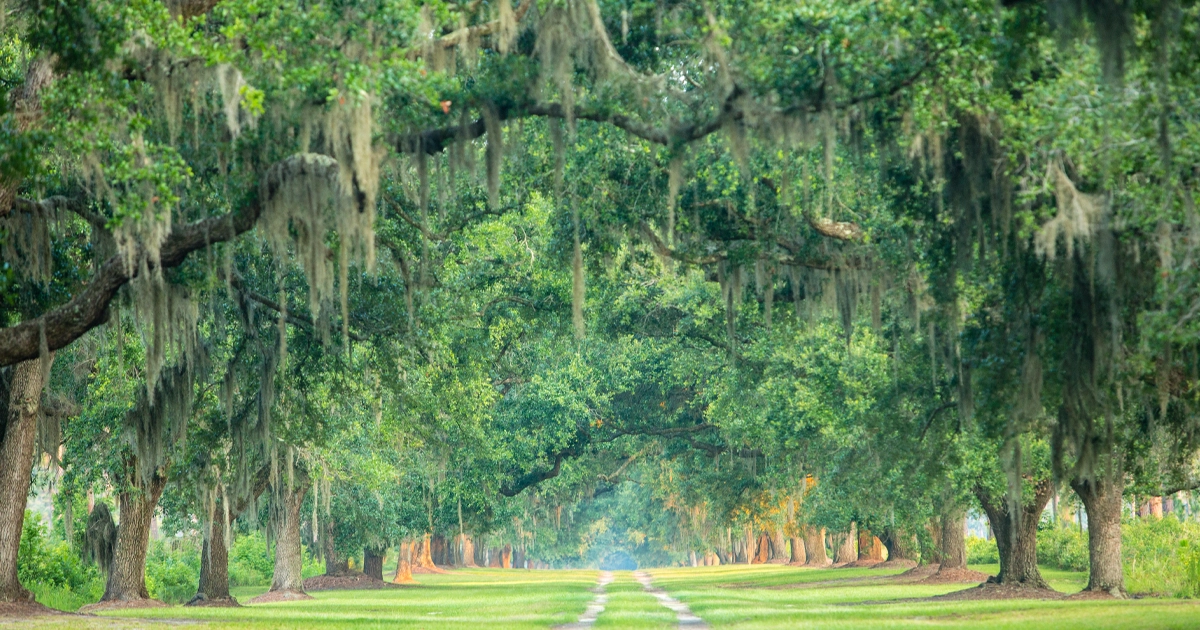
CLARENDON FARMS. Jim Kennedy's family worked with Ducks Unlimited to protect their beloved Lowcountry estate in perpetuity.
Published September 1, 2026

“They paved paradise and put up a parking lot.”
— Joni Mitchell, “Big Yellow Taxi”
Jim Kennedy often recalls Joni Mitchell’s catchy refrain. Born and raised in Hawaii, the chairman emeritus of Cox Enterprises says he witnessed firsthand how unchecked development forever altered the beauty of the Aloha State.
“I watched what she sang about actually happen in Hawaii,” Kennedy says. “So, I’ve always been sensitive to that sort of thing.”
Lowcountry Landmark
Those lyrics came to mind as Kennedy relaxed on the back porch of his home on Clarendon Farms, a 5,600-acre landmark in Beaufort County, South Carolina. Kennedy’s family acquired the Lowcountry acreage six decades ago. To paraphrase Joni Mitchell, Clarendon has become the family’s own paradise, one Kennedy insists will never be paved over.
“I was looking out one evening and began to really appreciate that our family owned everything in front of me,” Kennedy recalls. “From the first time I saw Clarendon, I was just blown away. Everything about it is so magical. One thing about the place: It is not pavement. It struck me that we needed to protect it. We are so close to Beaufort and Hilton Head, which are booming with population and development. And Clarendon is such an undeveloped crown jewel in the area. That moment — sitting on the porch — really triggered me.”
Conservation Partner
With the assistance of Ducks Unlimited (DU), Kennedy initiated the process of putting all of Clarendon Farms under a conservation easement. The Kennedys had previously protected 1,200 acres in 2009 through an easement with the Open Land Trust.
Earlier this year, they protected the remainder of the property — 4,400 acres — with Ducks Unlimited.
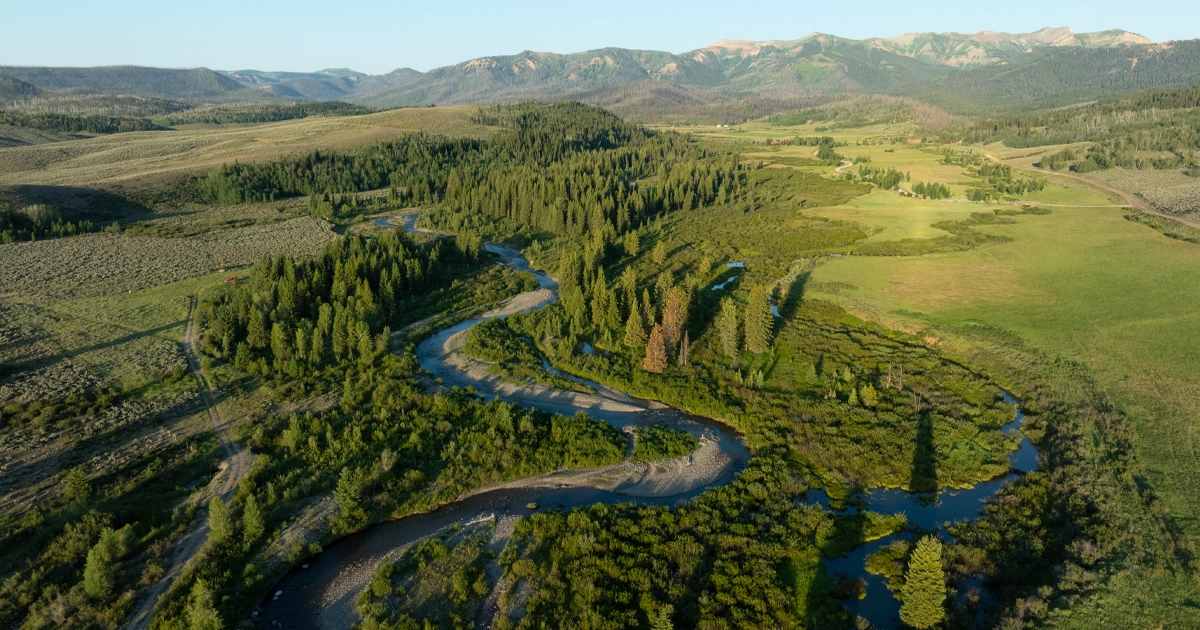
The newly protected acreage includes more than 40 miles of rivers and marsh frontage, nine islands, and approximately 1,300 acres of native forest filled with longleaf pine and pristine habitat. In addition, Clarendon is part of a critical ecological corridor that connects the ACE Basin — the Ashepoo, Combahee, and Edisto Rivers — to the Savannah River as it flows into the Atlantic Ocean.
Development Potential
Clarendon Farms’s development potential was enormous; worth “several hundred million dollars,” according to Ducks Unlimited CEO Adam Putnam. The family’s commitment to conservation created one of the most valuable easements in the nation’s history.
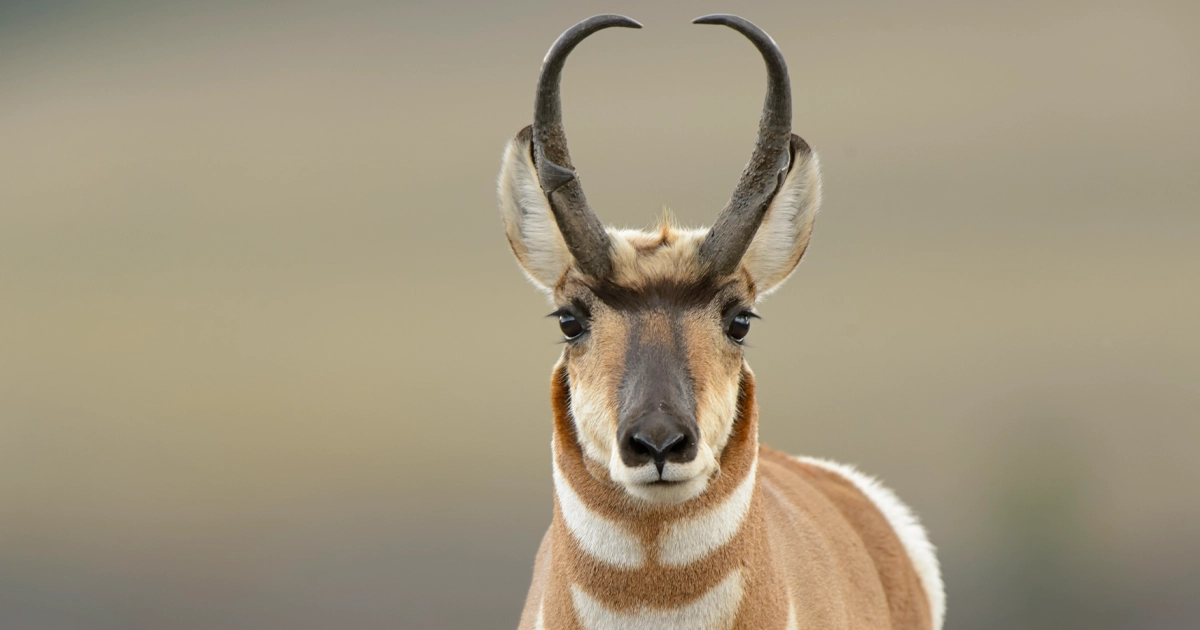
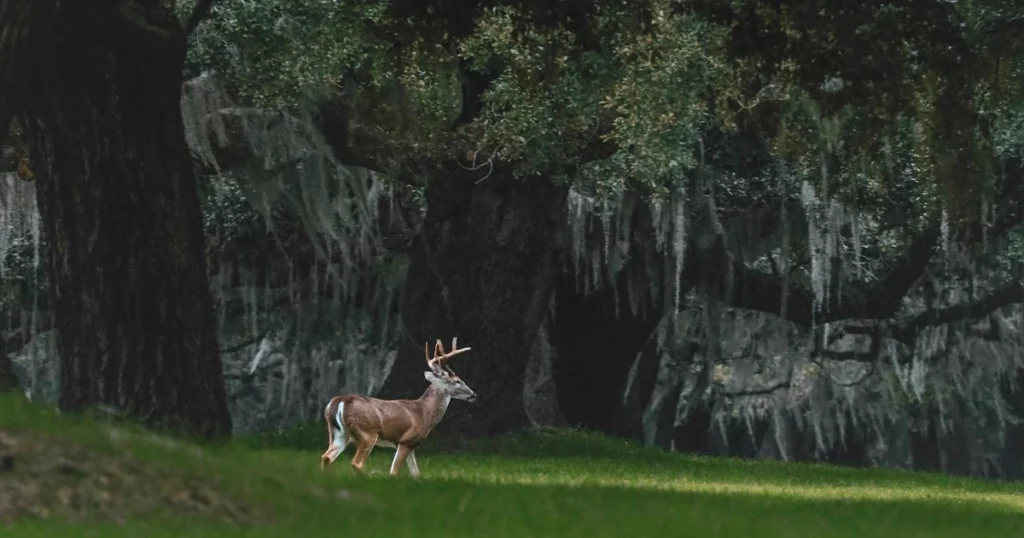
“Clarendon is a classic Lowcountry property that – with the exception of a handful of structures – has been largely untouched and is incredibly well managed for native populations, both flora and fauna,” Putnam says. “From a waterfowl, shorebird, and game-species standpoint, it’s a wildlife mecca. And it links to other protected parcels throughout the area, creating a valuable game corridor in one of the most rapidly growing counties in the country.”
For Kennedy, relying on the world’s largest and most effective private waterfowl and wetlands conservation organization was a natural step.
Ducks Unlimited Partnership
The 78-year-old began working with Ducks Unlimited more than a half-century ago, volunteering at the organization’s annual banquet in Atlanta, home of Cox Enterprises. Kennedy and the Cox family have become DU’s largest donors, including the creation of 91,000 acres of easements in the Prairie Pothole Region of the Great Plains.
“I really appreciate the work Ducks Unlimited does when it comes to easements and how they do them,” Kennedy says. “They’re very realistic in their approach. They understand the nature of the easement and will make sure that nothing is done to hurt the property as a wildlife sanctuary. I just have a great deal of confidence in them.”
Putnam says that when it comes to working on an easement, Kennedy is an ideal partner, one who truly appreciates the importance of such agreements, both in terms of habitat and ecological protection.
“We have had a long, trusting relationship with Jim and the family,” Putnam says. “Jim has set an example for others of what conservation passion looks like. He has led by example in many of his properties around the country.
“We were especially honored to be their conservation partner in this case given the size and complexity of the deal and the fact that the property is so near and dear to their heart. It’s inspiring to know someone decided that the highest and best use for a piece of real estate is that it belongs to nature.”
Historical Legacy
In addition to the natural beauty of the property, Putnam says Clarendon also possesses a considerable historical legacy. A large room in the main house at Clarendon has been designated as the repository for the numerous archaeological artifacts that have been discovered on the property down through the decades, including arrowheads and other artifacts estimated to be thousands of years old.
“Seeing the range of tools that man has used on that property for 10,000 years is really one of the more moving elements of the place,” Putnam says. “And now to know that as you stand there and look out as far as you can see, it will continue to look the same for another 10,000 years thanks to the commitment to conservation of Jim Kennedy and the Cox family.”
Deep Family Roots
While the farm’s storied history is equally important to Kennedy, it is the more recent past that truly makes Clarendon Farms stand out to him. After all, this is the piece of land where he first learned to hunt ducks and quail. Decades later, he taught his own children how to hunt and fish at Clarendon too. Likewise, other family members have introduced their children to the beauty and wonder of nature.
“Hunters and fishermen tend to care the most about natural resources because they use them and love them so much,” Kennedy says. “And now I’m having the joy of teaching my grandchildren to hunt and fish there.
“We also entertain business customers there and use it as a retreat for executives to have meetings. That’s been very effective. Then we also do some corporate entertaining there. It’s a beautiful, isolated spot that helps build relationships.”
Such relationships are the only things Kennedy wants to see built on Clarendon. The type of connections that simply cannot be established the same way in a corporate boardroom. And certainly not in a parking lot. “Beautiful places can get developed very quickly,” Kennedy says. “I’m happy to know that Clarendon will now never be disturbed by a bulldozer getting ready to build something.” 
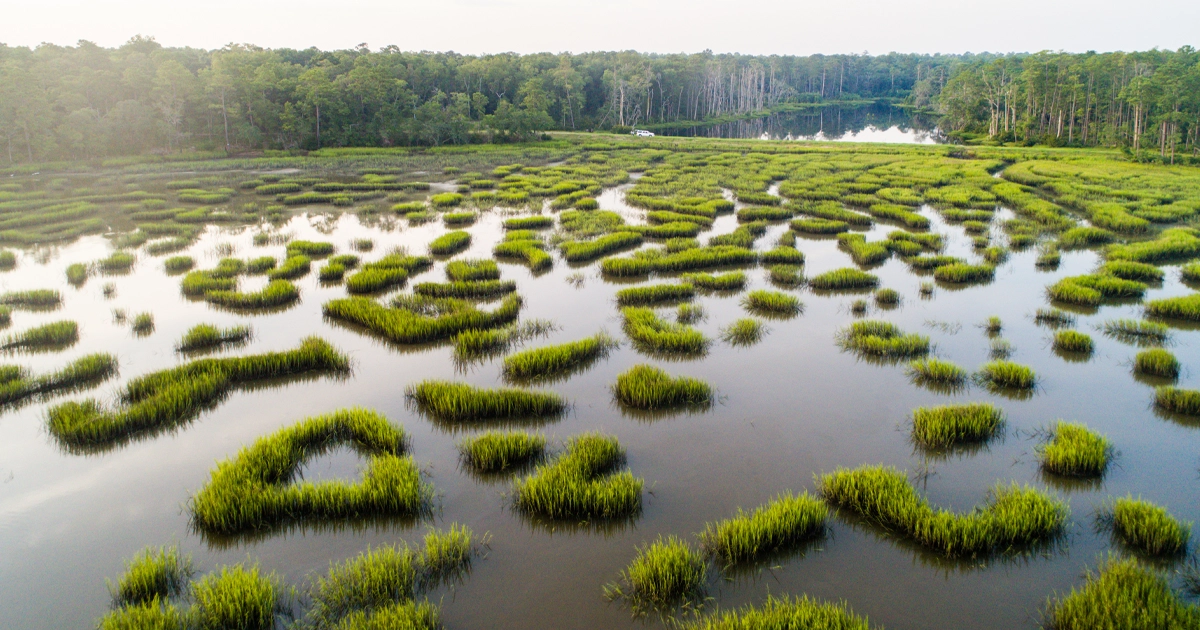
WILDLIFE MECCA. Native fauna and flora thrive on Clarendon Farms thanks to its exceptional management.