Saving Yellowstone Summit 2026
Saving Yellowstone Summit 2026
By Todd Wilkinson
Photography By Shutterstock
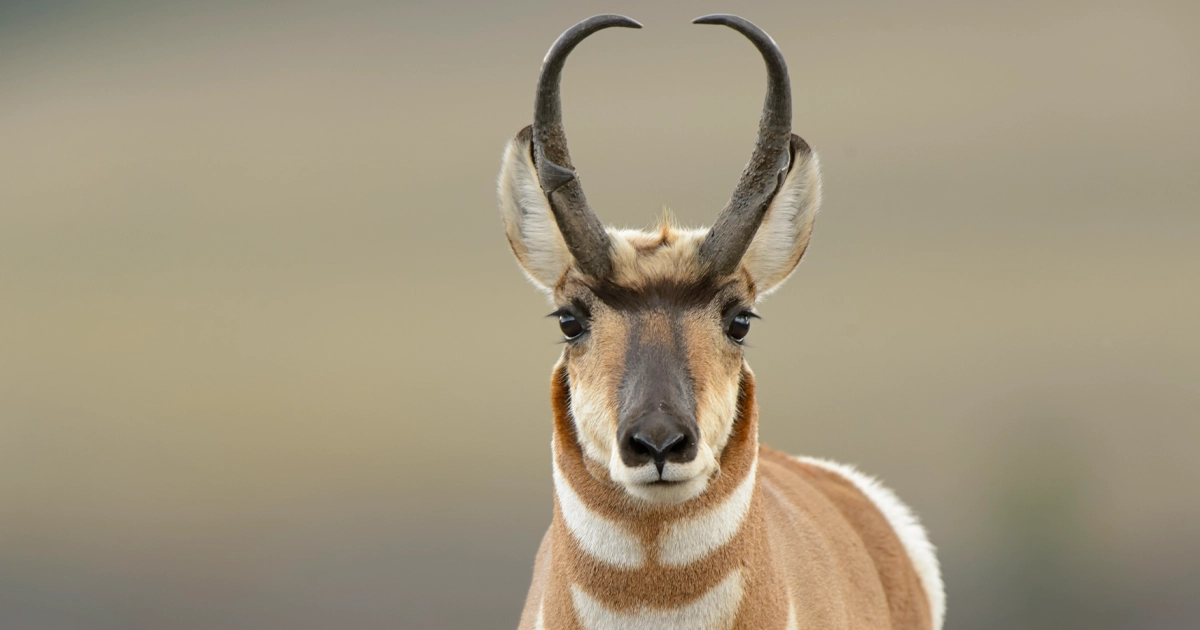
LR_SavingYellowstoneSummit-1
Published August 20, 2026

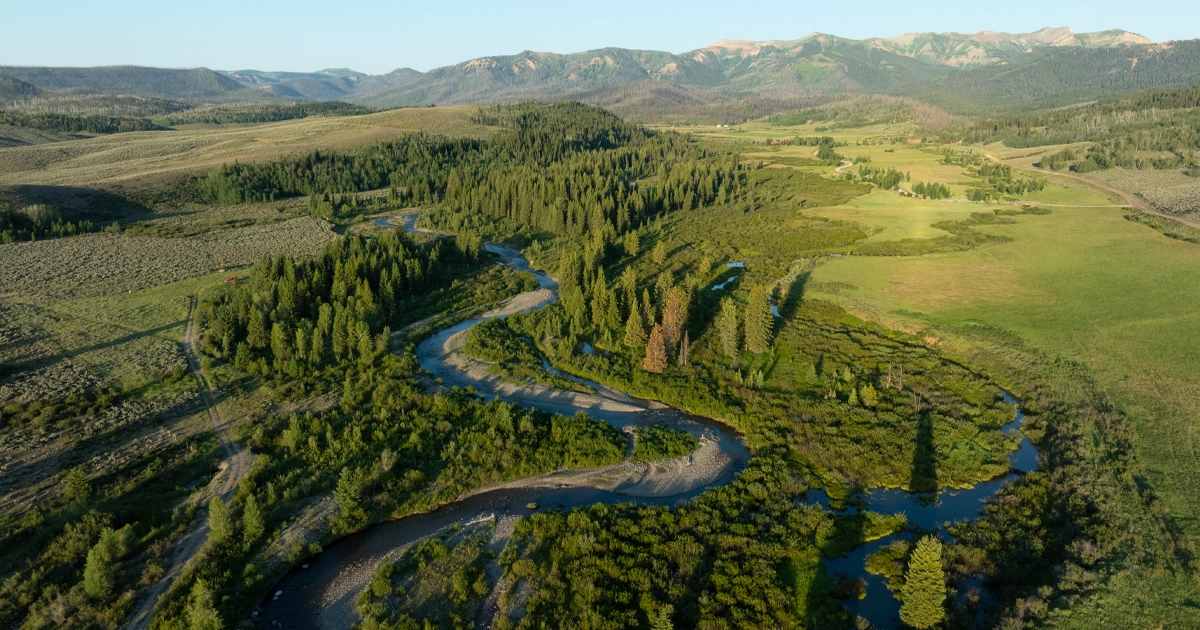
On August 18, Joe Ricketts welcomed an invitation-only group of more than 200 private landowners, conservation thought leaders, and researchers from across the Northern Rockies to the Saving Yellowstone Summit at his Jackson Fork Ranch near Bondurant, Wyoming. The three-day event focused on opportunities to develop a private-sector-driven movement around shared conservation values.
Patriotic Mission
Ricketts set the tone in his opening remarks. He wants to ignite a patriotic campaign — a call to action for Americans to protect one of their greatest natural wonders.
Ricketts pointed out that the Yellowstone bioregion is in better shape than it was 100 years ago, when the first wave of settlers erased species and extraction industries ran roughshod. Still, the clock is ticking. “We have an opportunity to save the Yellowstone ecosystem. If we don’t do it, we won’t be able to hold onto it. The challenge is here, and it will never go away,” he said.
Challenges
Ricketts labeled Starlink as “the greatest threat to the Yellowstone Ecosystem” because it enables thousands upon thousands to relocate to a region once insulated from population pressures. Now, corporate titans and members of the creative class can pursue their 9-to-5 chores from a trophy home in a high-dollar subdivision in the great outdoors.
This year’s summit builds on one Ricketts hosted in 2025, which featured a variety of research topics around the Greater Yellowstone Ecosystem. Then and now, Ricketts’s goal has been to push participants to “act and think bolder — to collectively rise to the challenge” by using the established body of science as a foundation.
Emphasis on Science-Based Research
Ricketts tasked Dr. Douglas Smith with organizing the Saving Yellowstone Summit. Smith served as a wildlife biologist at Yellowstone National Park for nearly three decades. He led the Yellowstone Wolf Project and studied countless other species. Smith has written and edited several books about the Greater Yellowstone Ecosystem, including Yellowstone’s Birds: Diversity and Abundance in the World’s First National Park.
A diverse group of research projects was featured, including updates on great gray owls (Arcata Leavitt, Montana State University), pronghorn (Day Scott, University of Idaho), rattlesnakes (Emily Martin, University of Idaho), pygmy rabbits (Ilaria Bacchiocchi, University of Idaho), and wolves (Koryna Boudinot, University of Idaho).